Travel in Mongolia: Routes, Culture, and Practical Experiences
 GerTrainer
A visitor-focused guide to planning trips, choosing routes, and experiencing Mongolia respectfully
This tourism guide is now focused on what travelers actually do in Mongolia: how to structure a trip, which cultural experiences to prioritize, how to move between remote regions, and how to travel responsibly. For landforms, climate, lakes, mountains, and ecosystems, use the Geography guide; this page turns that background into practical travel choices.
How tourism in Mongolia is different from geography
Mongolia's landscapes are the setting, but tourism is about the journey through them: long-distance overland routes, local guides, ger camps, festivals, monastery visits, family stays, and the rhythm of travel in a sparsely populated country.
A good trip usually combines Ulaanbaatar for museums and logistics, one or two regional routes, and enough time for slow travel. Distances are large, roads vary, and weather can change plans quickly, so tourism planning matters as much as choosing famous destinations.
This page emphasizes visitor decisions: when to go, how to choose an itinerary, what experiences to expect, and how to support local communities while respecting nomadic hospitality, sacred places, and fragile environments.
Plan experiences, not just places
Ulaanbaatar as the travel gateway

Most trips begin in Ulaanbaatar, where travelers prepare permits, meet guides, visit museums, and understand the country's historical context before heading into the countryside.
Use Ulaanbaatar as more than a transit stop. The National Museum of Mongolia, Gandantegchinlen Monastery, Sükhbaatar Square, Choijin Lama Temple Museum, Bogd Khan Palace Museum, Zaisan Hill, and local markets help visitors understand the country before long rural routes. It is also the practical place to arrange SIM cards, cash, guides, domestic flights, vehicle rentals, and weather-dependent itinerary changes.
Classic first-trip routes

Instead of listing landforms again, first-time tourism is best explained as route choices: Central Mongolia, the Gobi, Lake Khövsgöl, western Altai, or short trips near the capital.
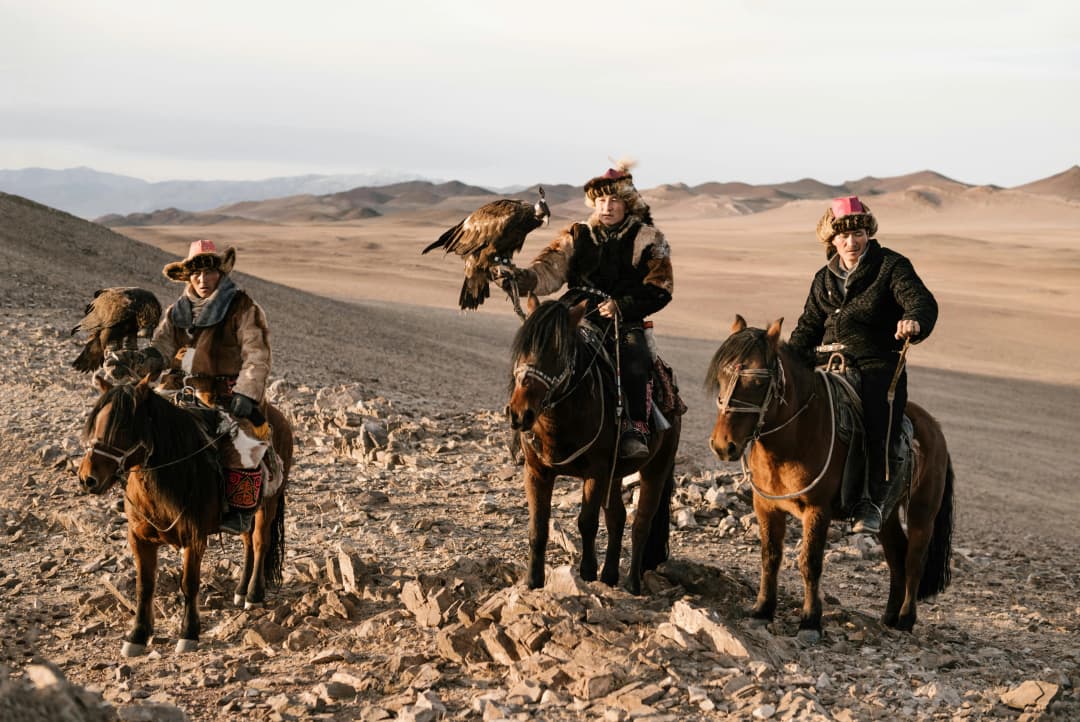
Central Mongolia suits travelers interested in Karakorum, Erdene Zuu Monastery, the Orkhon Valley, hot springs, and nomadic stays. The southern Gobi is ideal for desert drives, camel experiences, Bayanzag, Yolyn Am, and Khongoryn Els. Lake Khövsgöl works well for slower nature travel, riding, boating, and reindeer-herder visits. Western Mongolia requires more time but rewards travelers with Kazakh eagle-hunter culture, mountain trekking, and remote photography. Shorter stays can focus on Terelj, Hustai, Manzushir, or the Chinggis Khaan Statue Complex near Ulaanbaatar.
Festivals, nomadic hospitality, and local life

Tourism in Mongolia is strongly experience-based: festivals, family visits, food, herding culture, music, and everyday hospitality often become the most memorable parts of a trip.
Naadam in July is the best-known festival, with wrestling, horse racing, archery, and public celebrations. Smaller local Naadam events can feel more intimate than the national program in the capital. Ger stays introduce visitors to dairy foods, tea customs, livestock routines, and etiquette such as accepting offered food respectfully, asking before photographing people, and treating family spaces with care. In western Mongolia, eagle-hunter gatherings and Kazakh hospitality add another cultural dimension.
Ger camps, guides, and countryside logistics

The quality of a Mongolia trip often depends on logistics: transport, accommodation style, guide communication, food expectations, and realistic daily driving distances.
Tourist ger camps provide beds, meals, shared facilities, and easier access to major attractions, while family stays are more personal and less predictable. Many rural routes require a driver or guide because navigation, road conditions, river crossings, fuel availability, and weather can be difficult to judge independently. Build rest time into the itinerary, carry cash outside the capital, expect limited connectivity, and confirm what is included in meals, park fees, airport transfers, and guide services.
Seasons and trip timing

Choosing when to visit changes the entire travel experience, from festival access and green valleys to winter ice events and difficult shoulder-season roads.
June to September is the main travel season, with warmer weather, greener landscapes, and the widest availability of camps and tours. July is popular because of Naadam, but it is also busy and should be booked early. Spring can bring dust, wind, and unstable roads, while autumn offers clearer light and fewer travelers. Winter travel is possible for ice festivals, city culture, photography, and specialist expeditions, but it requires serious cold-weather planning and experienced local support.
Responsible and respectful travel

Responsible tourism protects the exact qualities people come to see: open landscapes, wildlife, sacred sites, hospitality, and living nomadic traditions.
Stay on established tracks where possible, avoid disturbing wildlife, pack out waste, use water carefully, and follow local rules in national parks and sacred sites. Support locally owned camps, guides, drivers, museums, and craft producers when you can. Learn basic Mongolian greetings, ask before entering private spaces, and remember that a ger is a home before it is a tourist attraction. Good tourism should leave communities with income and dignity, not only photographs.