Skip to content

Must see attractions in Mongolia

Explore Ulaanbaatar, the Gobi, the Steppe and Beyond

IconGerTrainer
Share

From the monastery-filled streets of Ulaanbaatar to the vast silence of the Gobi Desert, Mongolia packs an extraordinary range of landscapes and cultures into one country. We collected the best attractions — national parks, UNESCO World Heritage Sites, ancient monasteries, volcanic plateaus, sacred mountains, and more — spread across the capital and all major regions. Click any marker to learn about the location, filter by category, and use the grid below to browse by type.

Loading map…

All Points of Interest

Browse all curated attractions grouped by category — from Ulaanbaatar's city sights to remote wilderness areas across Mongolia's 21 aimags.

Things to Do in Ulaanbaatar

Monastery1
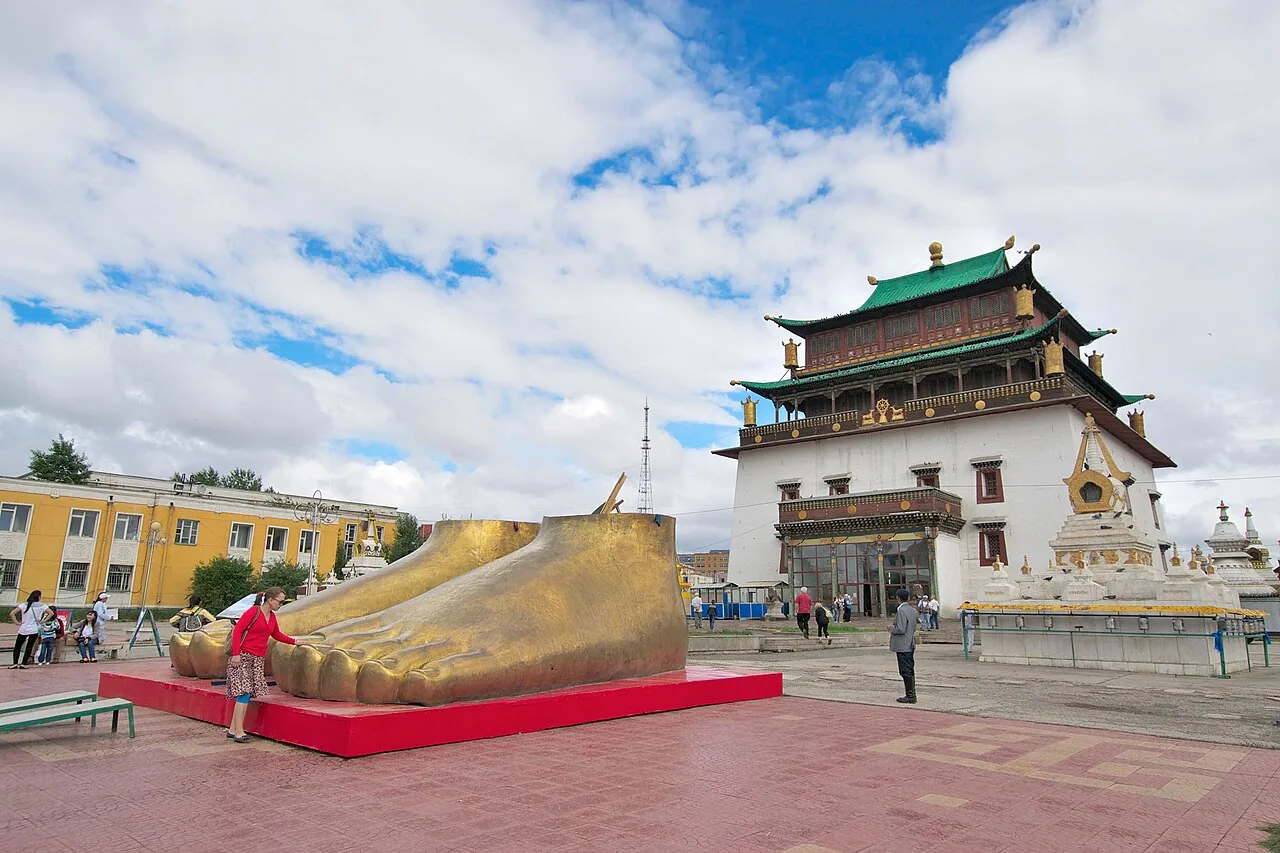
Gandantegchinlen Monastery
Gandantegchinlen MonasteryГандантэгчинлэн хийдUlaanbaatarMonasteryMongolia's largest and most important active Buddhist monastery, Gandan (as it is known locally) houses a 26.5-metre gilded statue of Migjid Janraisig and draws pilgrims from across the country. It remained open during the Soviet era and is the spiritual heart of Mongolian Buddhism.

Monument2

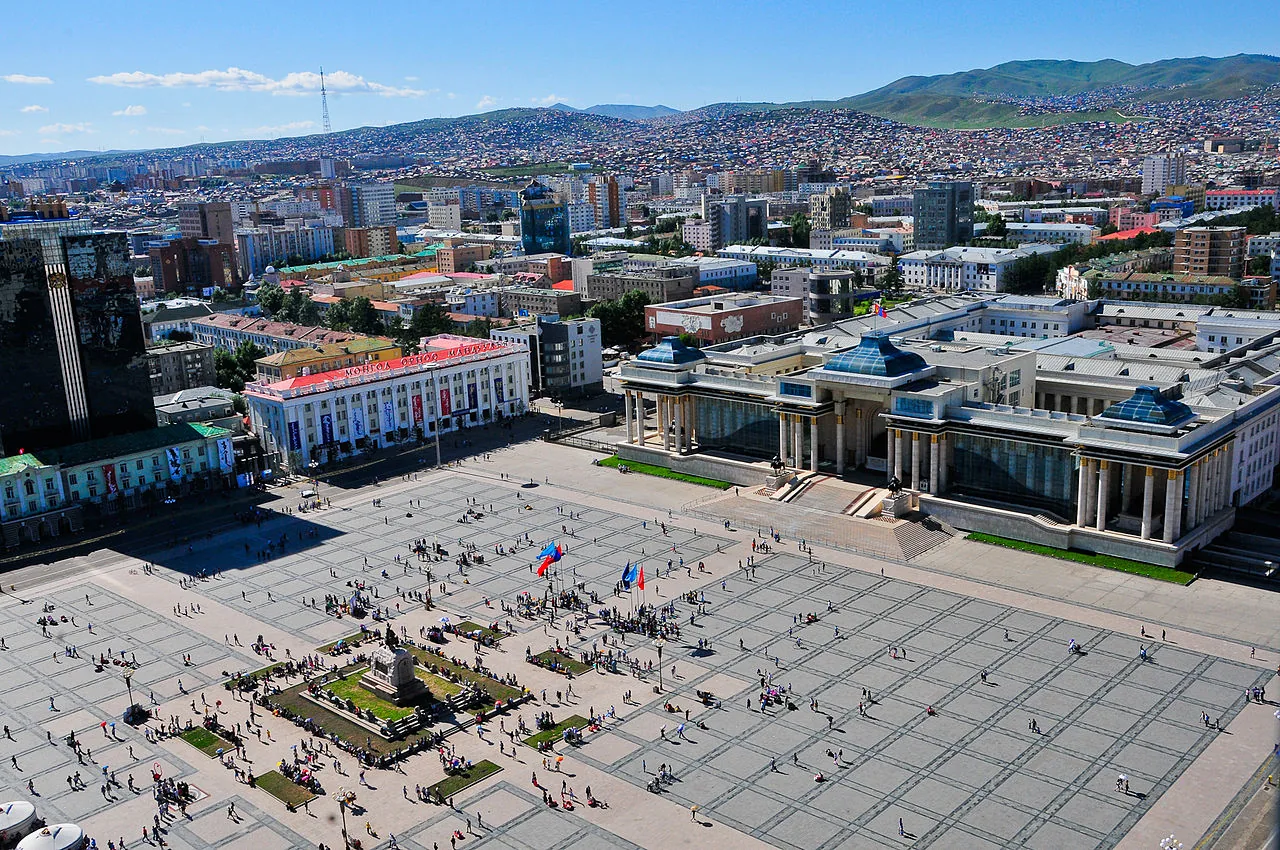
Sukhbaatar Square
Sukhbaatar SquareСүхбаатарын талбайUlaanbaatarMonumentThe grand central square of Ulaanbaatar, dominated by the imposing Chinggis Khan statue complex on the steps of the Parliament building. Renamed Chinggis Square in 2013, it is the symbolic heart of the Mongolian state and the site of major national events and celebrations.
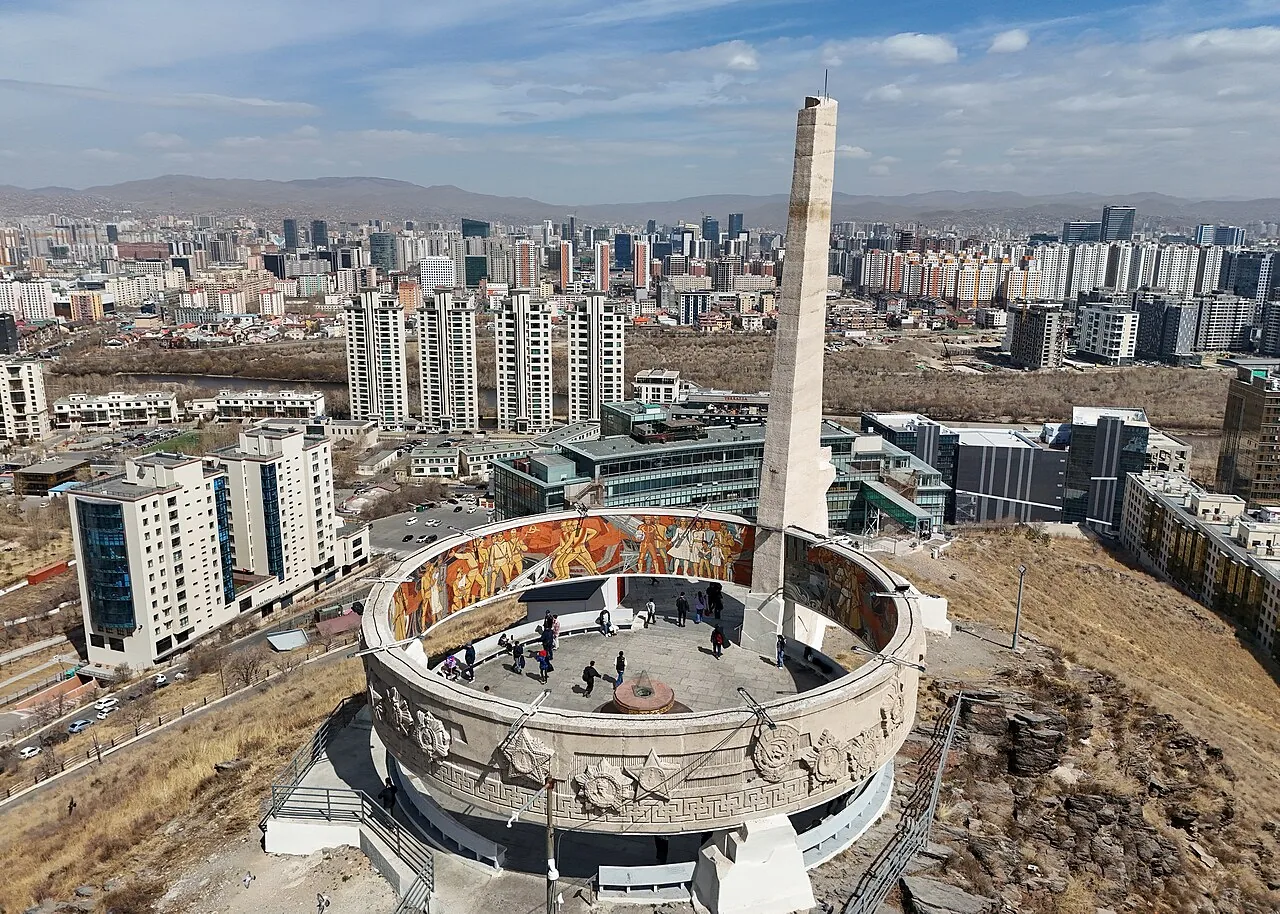
Zaisan Memorial
Zaisan MemorialЗайсанUlaanbaatarMonumentA Soviet-era war memorial atop a hill south of the city offering the best panoramic views of Ulaanbaatar and the surrounding mountains. The circular mosaic mural depicts Mongolian–Soviet friendship, and the hilltop has become a popular spot for locals and visitors alike.

Historical Site2

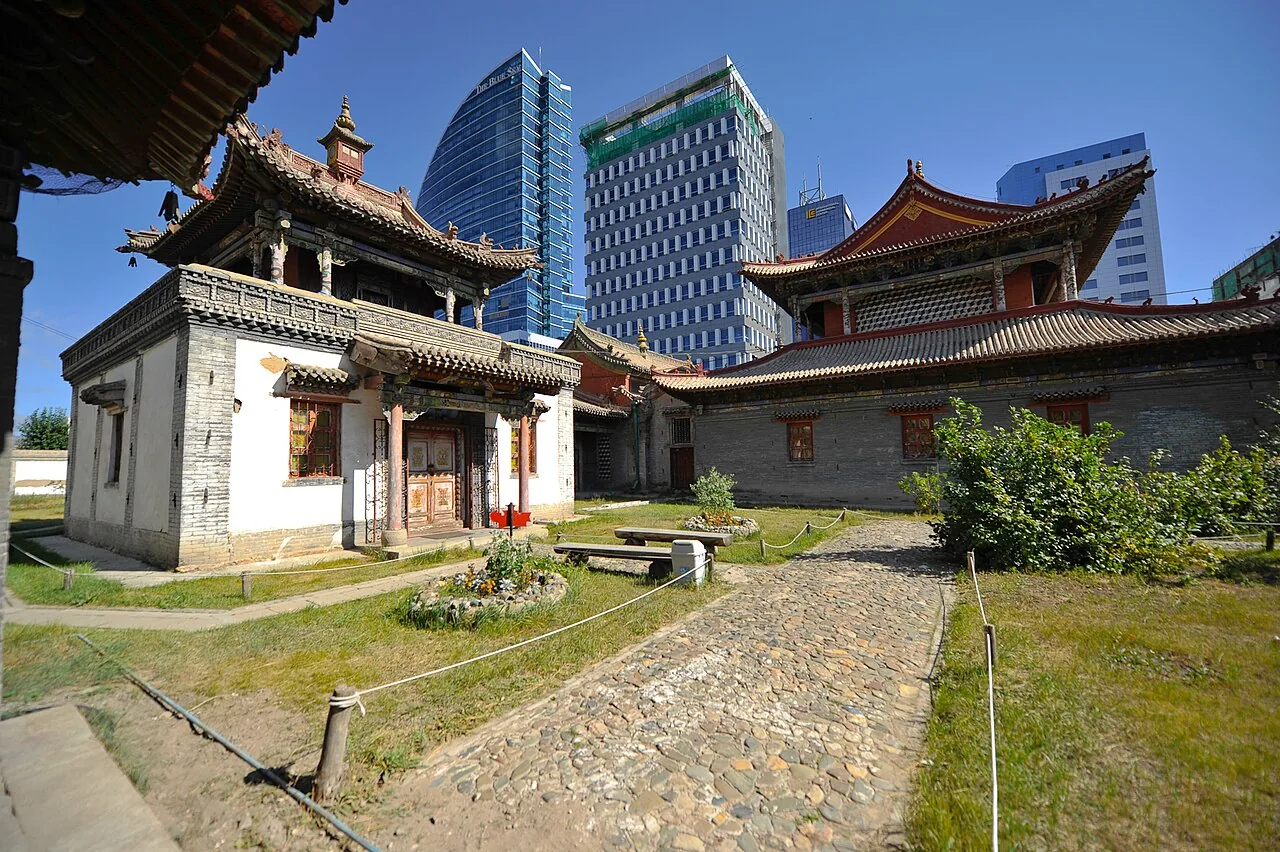
Choijin Lama Temple Museum
Choijin Lama Temple MuseumЧойжин ламын сүмUlaanbaatarHistorical SiteAn ornate temple complex built between 1904 and 1908 for Luvsan Haidav Choijin Lama, state oracle and brother of the eighth Bogd Khan. Converted into a museum after the 1937 purges, it preserves extraordinary religious art, thangkas, tsam masks, and ritual objects largely untouched.
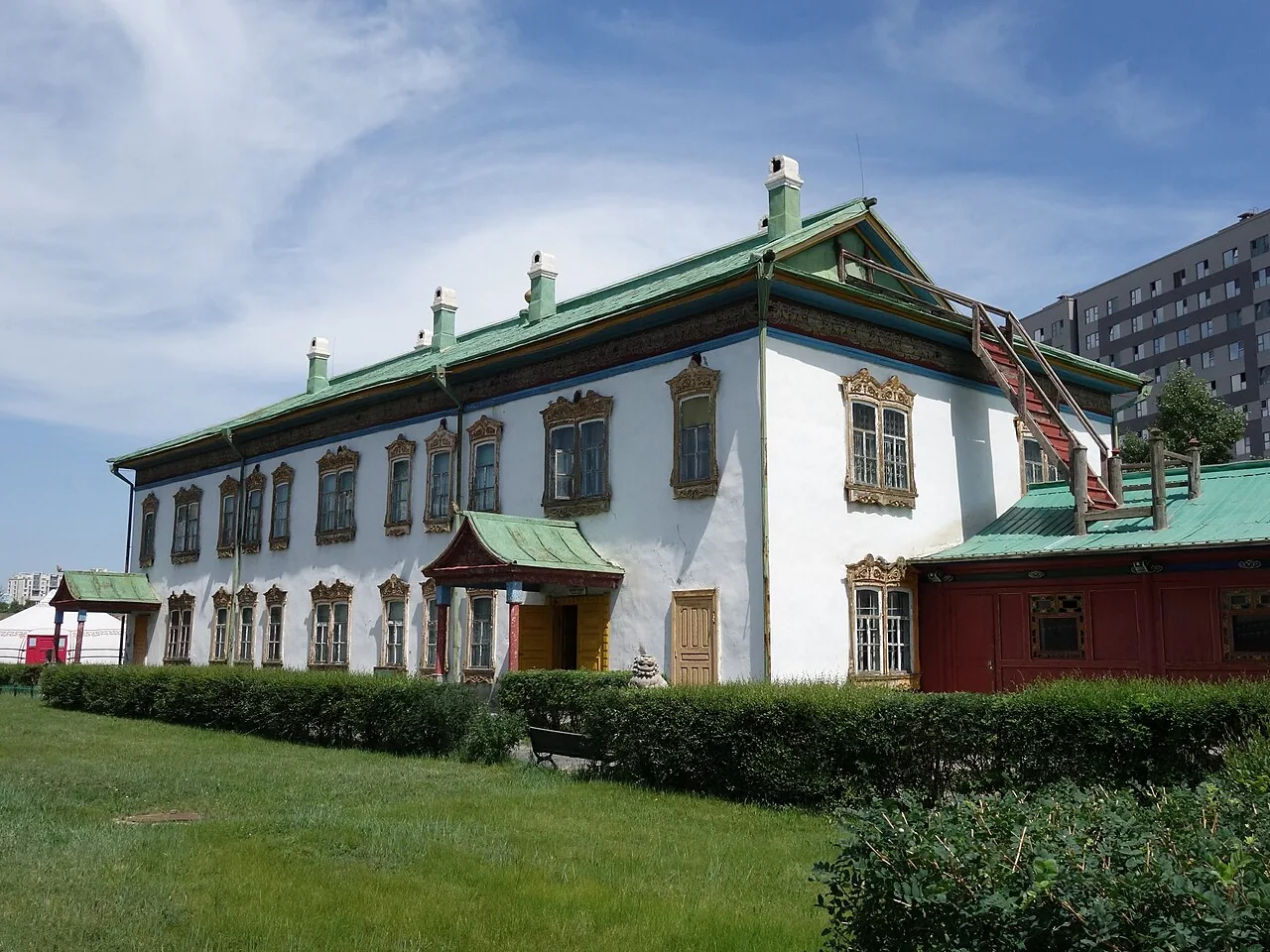
Bogd Khan Winter Palace
Bogd Khan Winter PalaceБогд хааны ордон музейUlaanbaatarHistorical SiteThe winter residence of Mongolia's last theocratic ruler, the eighth Bogd Khan, built between 1893 and 1906. The complex blends Mongolian, Tibetan, and Chinese architectural styles and now serves as a museum housing the Bogd Khan's personal possessions, gifts from foreign heads of state, and sacred Buddhist objects.

Cultural Experience1

National Museum of Mongolia
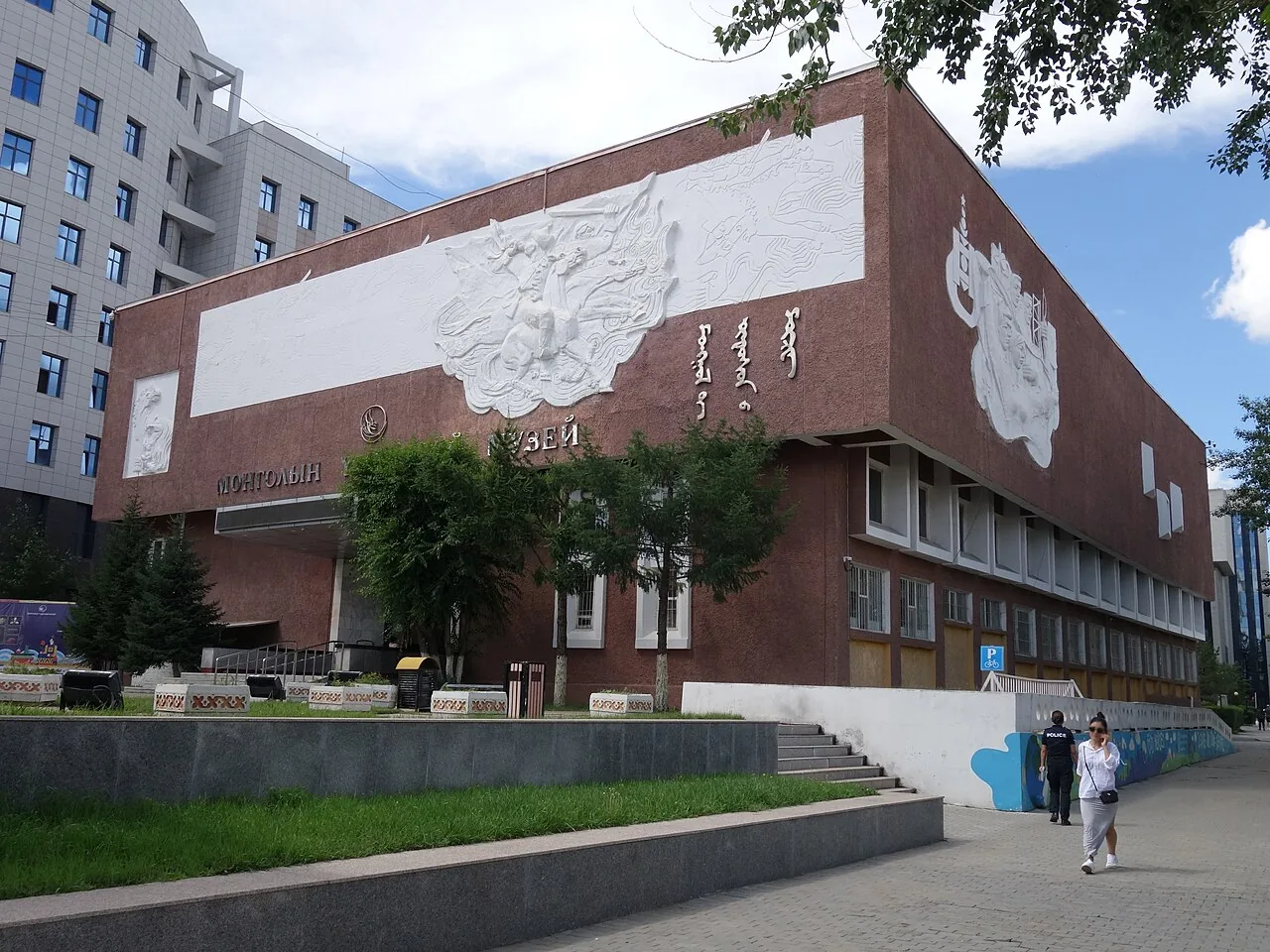
National Museum of MongoliaМонголын үндэсний музейUlaanbaatarCultural ExperienceThe country's foremost history museum, tracing Mongolian civilisation from prehistoric times through the Xiongnu and Mongol Empire eras to the present. Its collections include imperial-era armour, traditional costumes from all of Mongolia's ethnic groups, and artefacts from the great khans.

Destinations Across Mongolia

National Park4
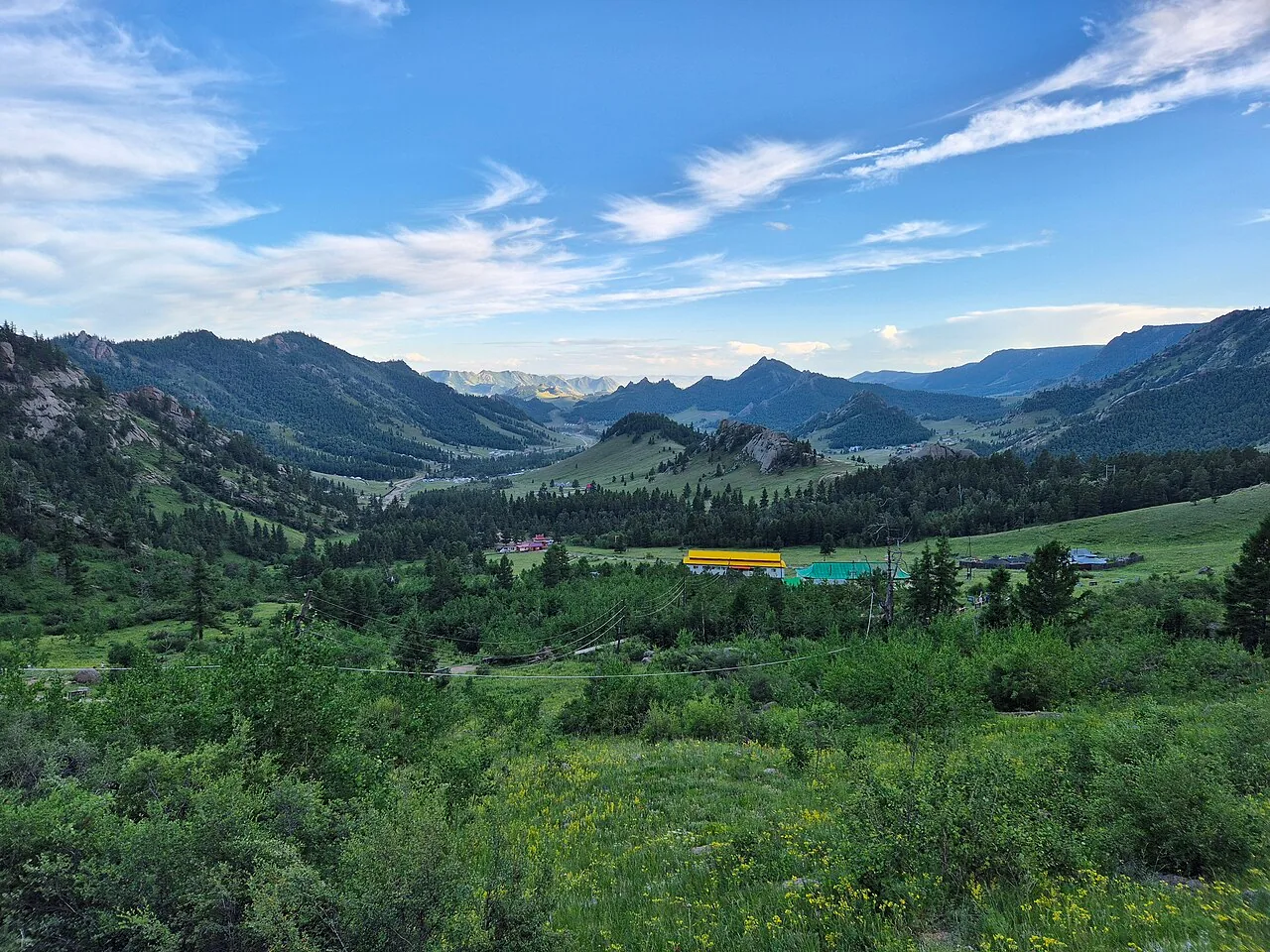
Gorkhi-Terelj National Park
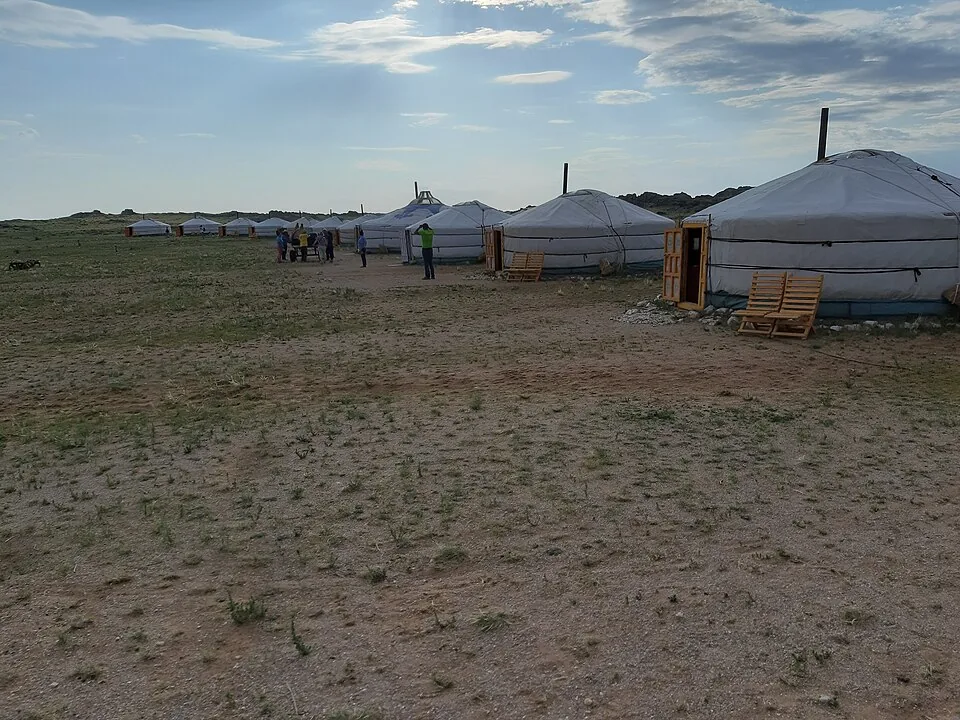
Gorkhi-Terelj National ParkГорхи-Тэрэлж байгалийн цогцолборт газарTövNational ParkMongolia's most popular national park, famous for granite rock formations, alpine meadows, and easy access from the capital. Home to Turtle Rock and many ger camps.
Hustai (Khustain Nuruu) National Park
Hustai (Khustain Nuruu) National ParkХустайн нурууTövNational ParkSteppe reserve famous for the successful reintroduction of the Przewalski's horse (takhi), the world's last truly wild horse species. Home to 200+ bird species.
Gobi Gurvan Saikhan National Park
Gobi Gurvan Saikhan National ParkГовь гурван сайханÖmnögoviNational ParkMongolia's largest national park, covering part of the Gobi Desert. The 'Three Beauties' refers to the Gurvan Saikhan mountain range with its unique microclimates.
Altai Tavan Bogd National Park
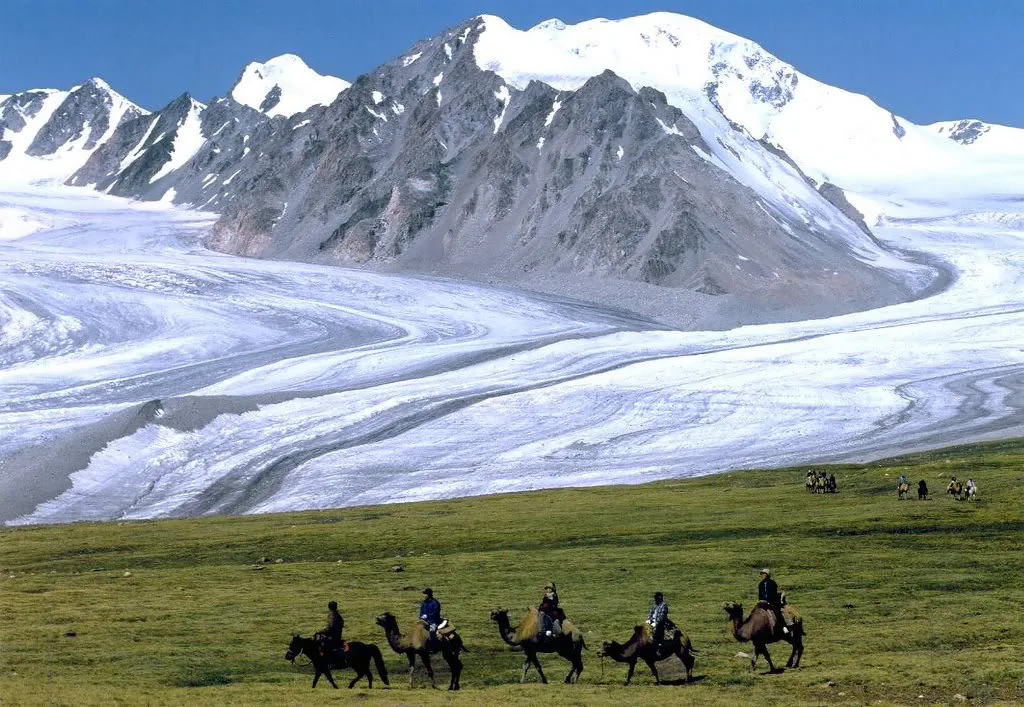
Altai Tavan Bogd National ParkАлтай таван богдBayan-ÖlgiiNational ParkMongolia's most spectacular alpine park on the Russia-China-Mongolia border. Includes Khüiten Peak (4,374m), the country's highest, and major glaciers.

Natural Landmark1

Turtle Rock (Melkhii Khad)
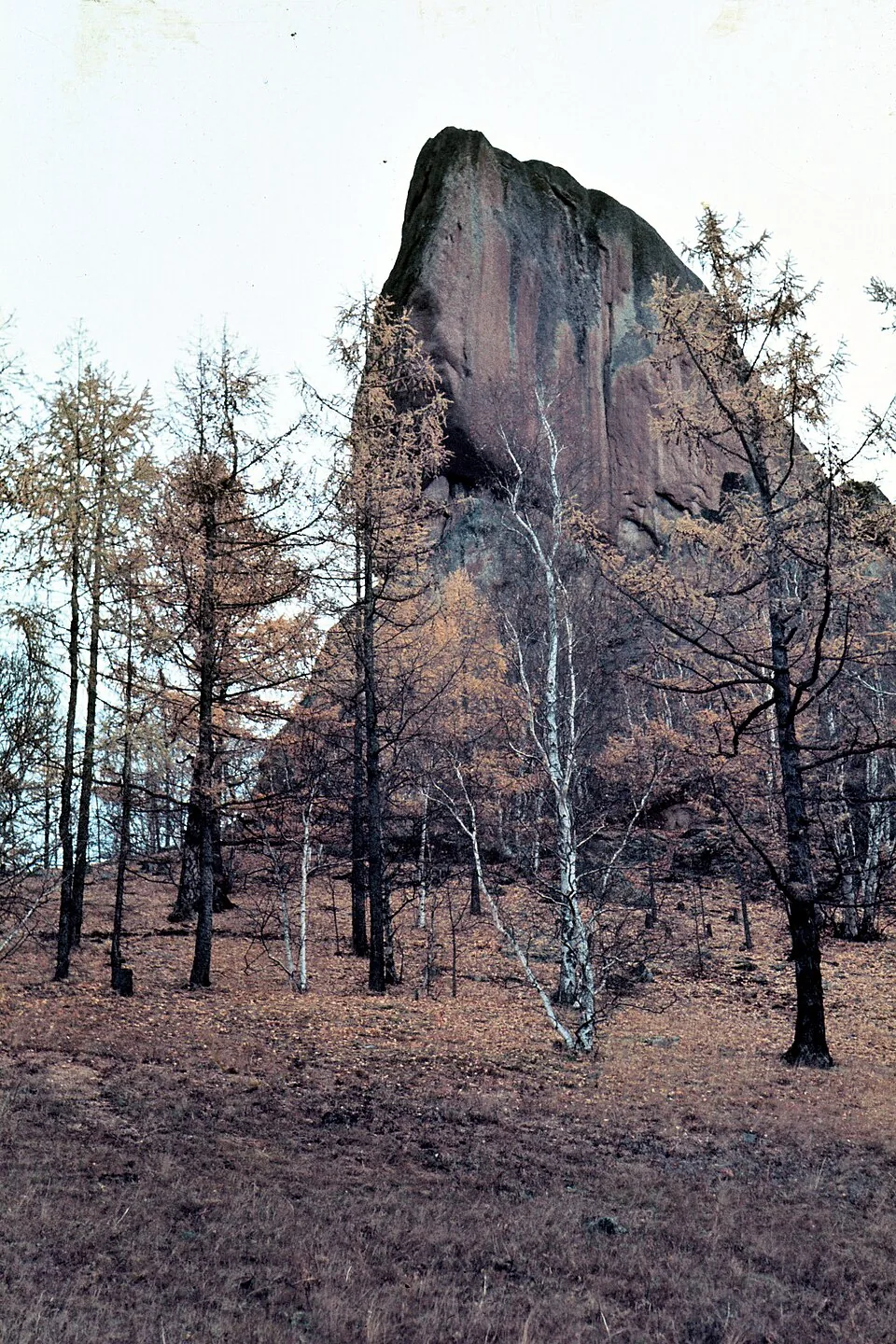
Turtle Rock (Melkhii Khad)Мэлхий хадTövNatural LandmarkIconic granite rock formation in Terelj resembling a giant turtle. One of Mongolia's most photographed natural landmarks.

Monument1

Genghis Khan Equestrian Statue
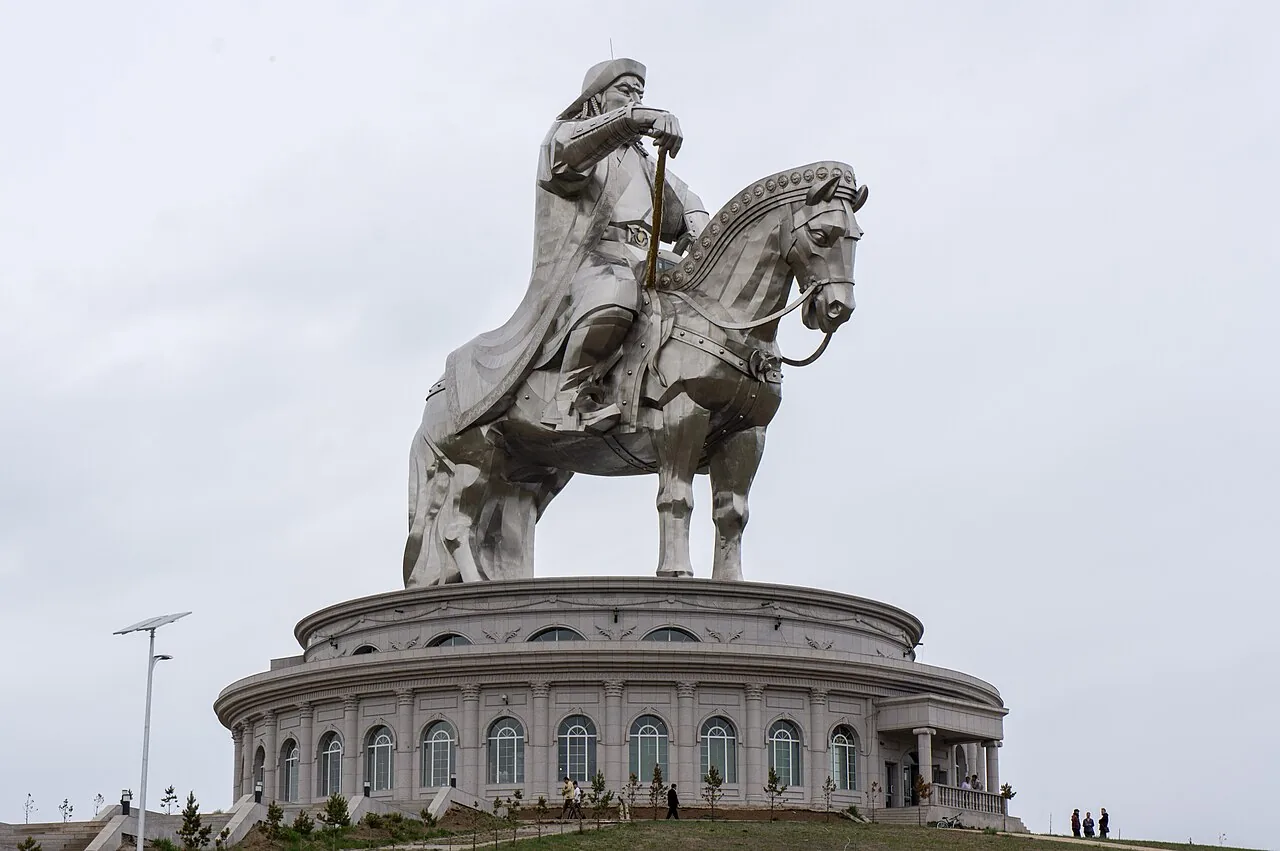
Genghis Khan Equestrian StatueЧингис хааны морьт хөшөөTövMonument40-metre stainless steel statue of Genghis Khan on horseback, the world's largest equestrian statue. An elevator inside leads to a viewing platform on the horse's head.

Monastery4

Aryabal Meditation Temple
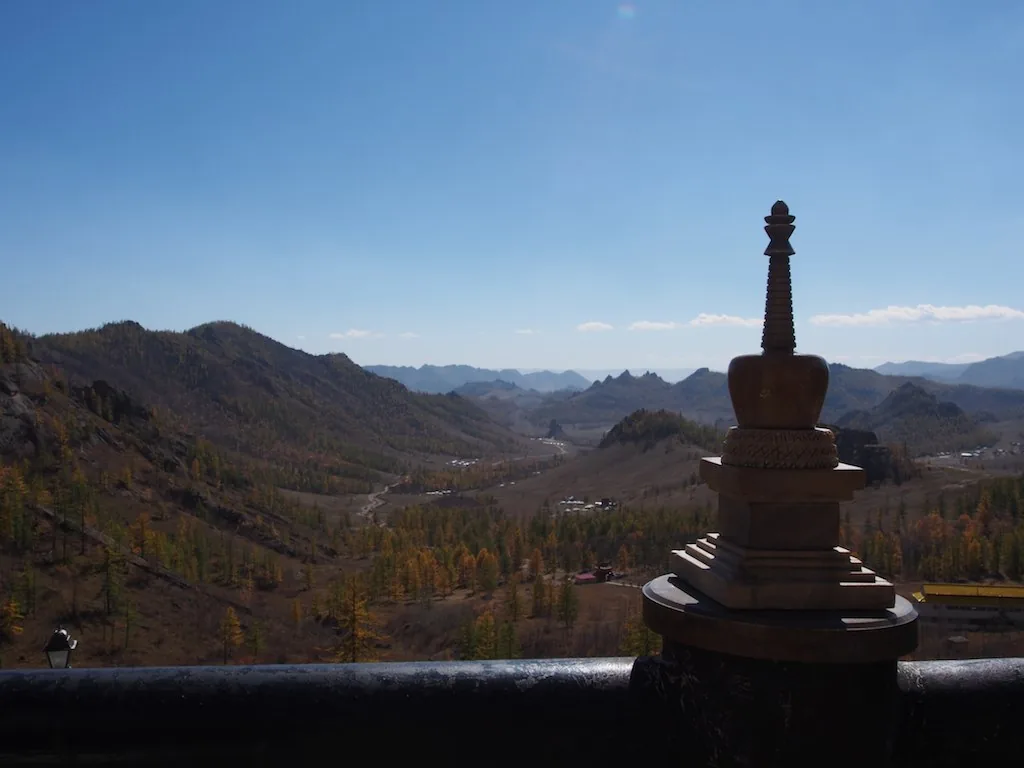
Aryabal Meditation TempleАрьябалын хийдTövMonasteryHillside Buddhist temple inside Terelj National Park, reached by 108 steps representing Buddhist sutras. Stunning views over the surrounding granite mountains.
Amarbayasgalant Monastery
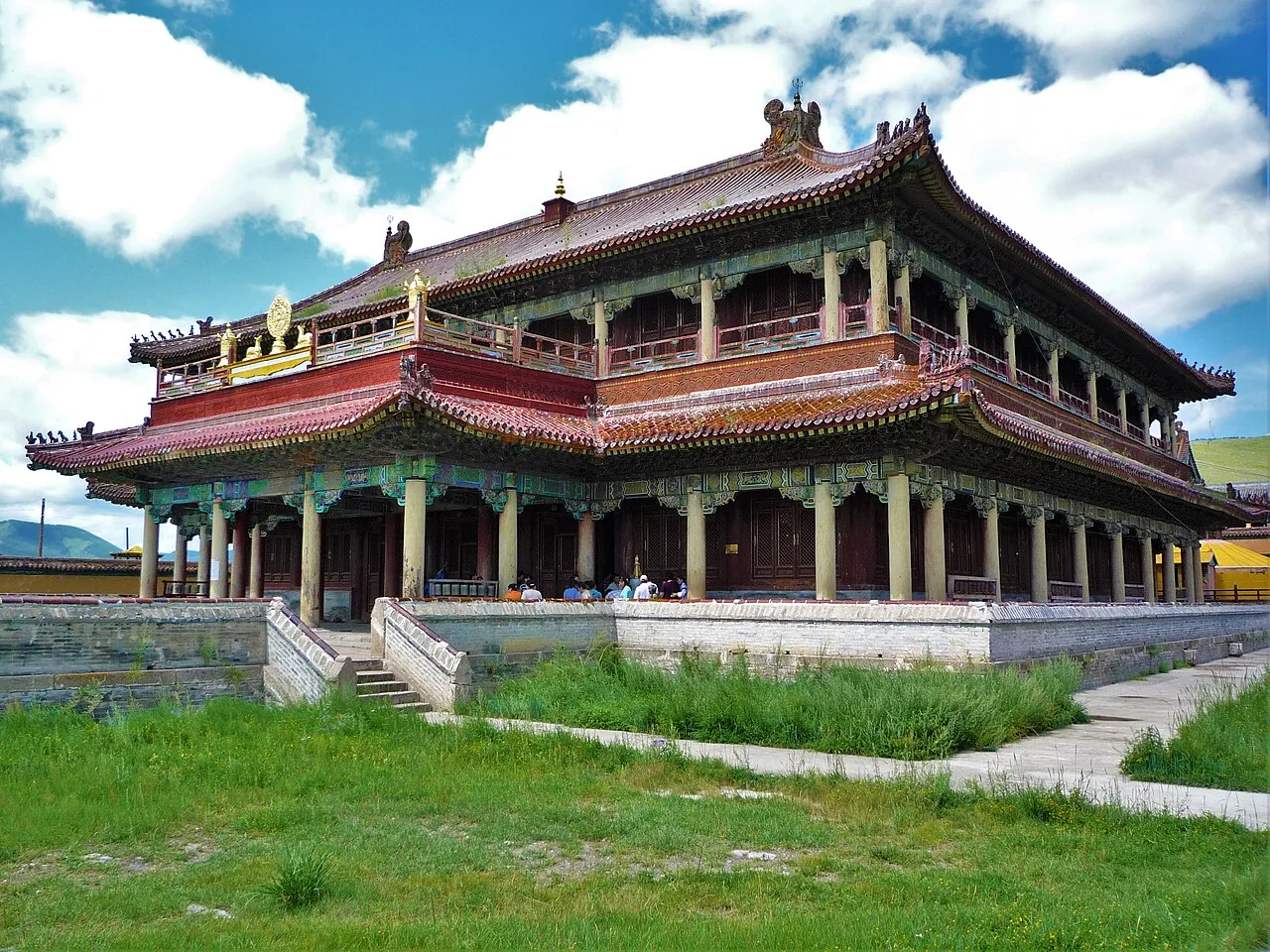
Amarbayasgalant MonasteryАмарбаясгалант хийдSelengeMonasteryOne of the three largest Buddhist monastic centres in Mongolia. Built between 1727-1736 in honour of Zanabazar, surviving most of the 1937 purges.
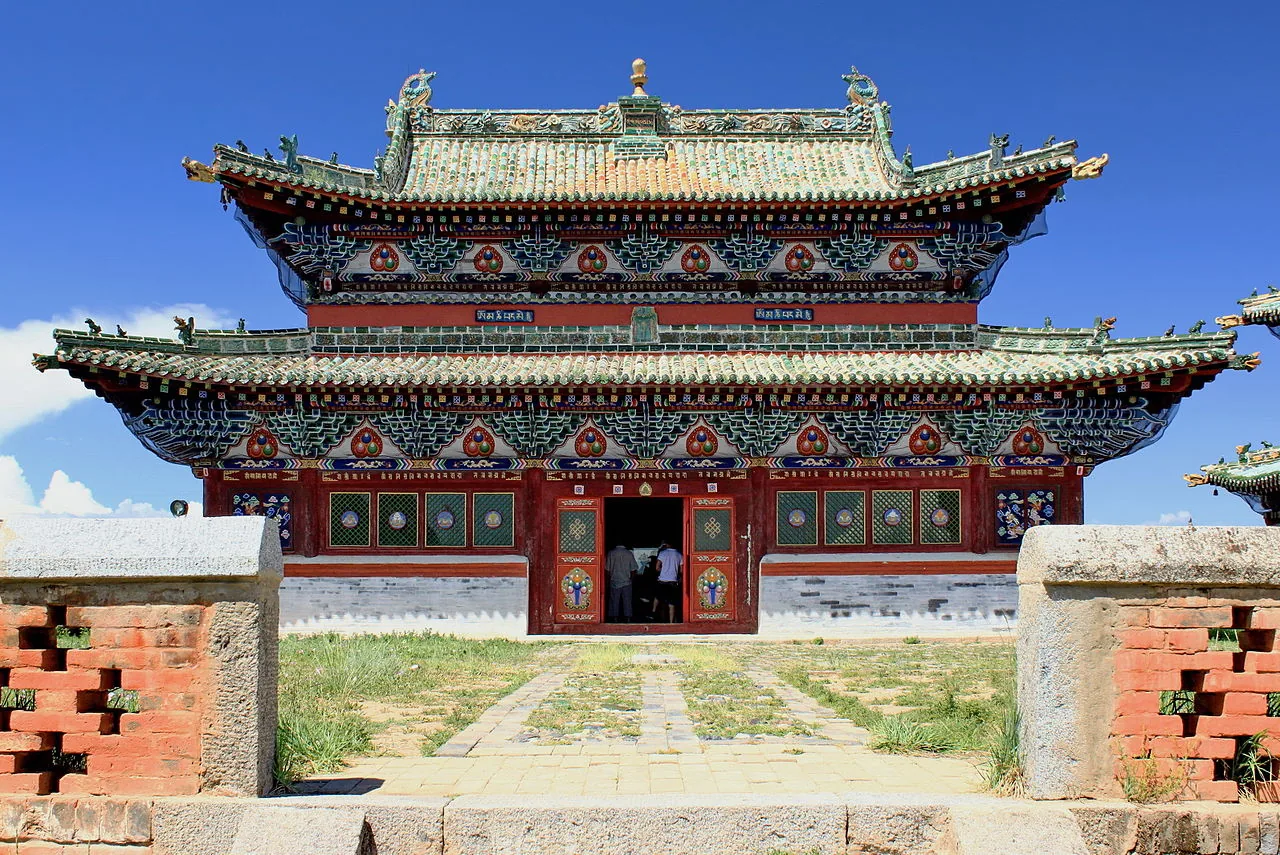
Erdene Zuu Monastery
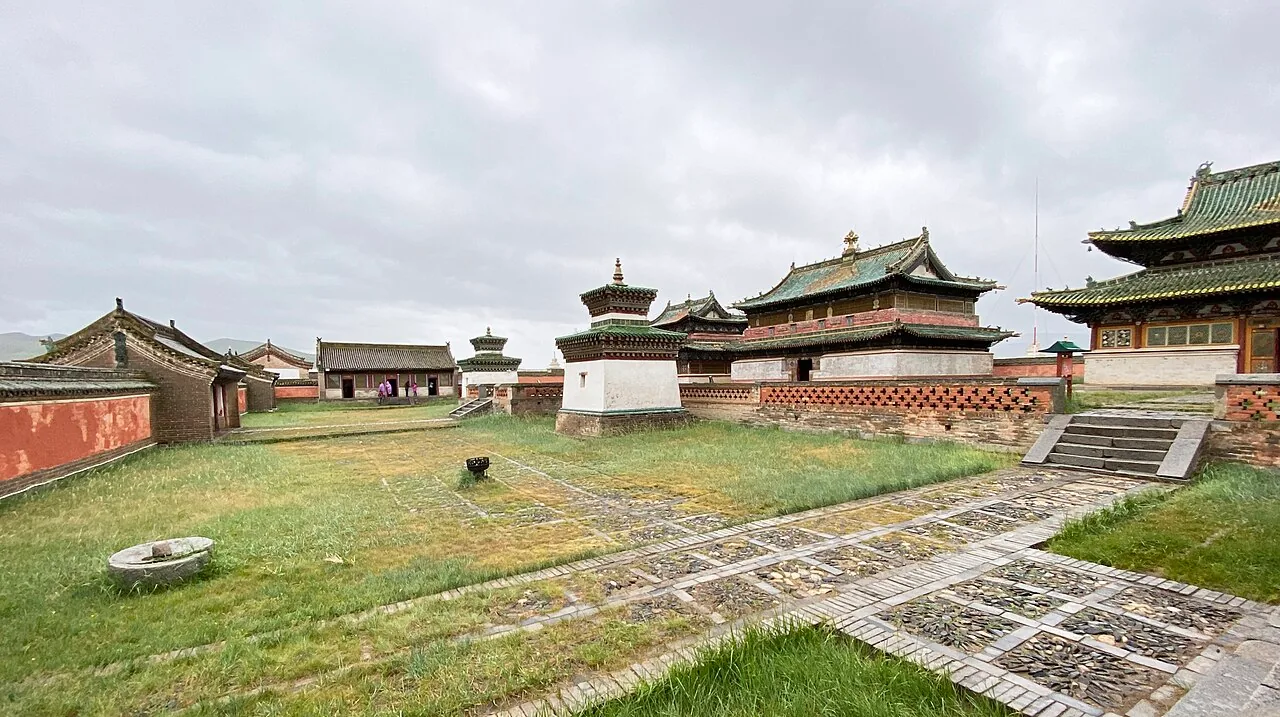
Erdene Zuu MonasteryЭрдэнэ зуу хийдÖvörkhangaiMonasteryMongolia's earliest surviving Buddhist monastery, built in 1585 from stones taken from the ruins of Karakorum. Surrounded by 108 stupas in its iconic walls.
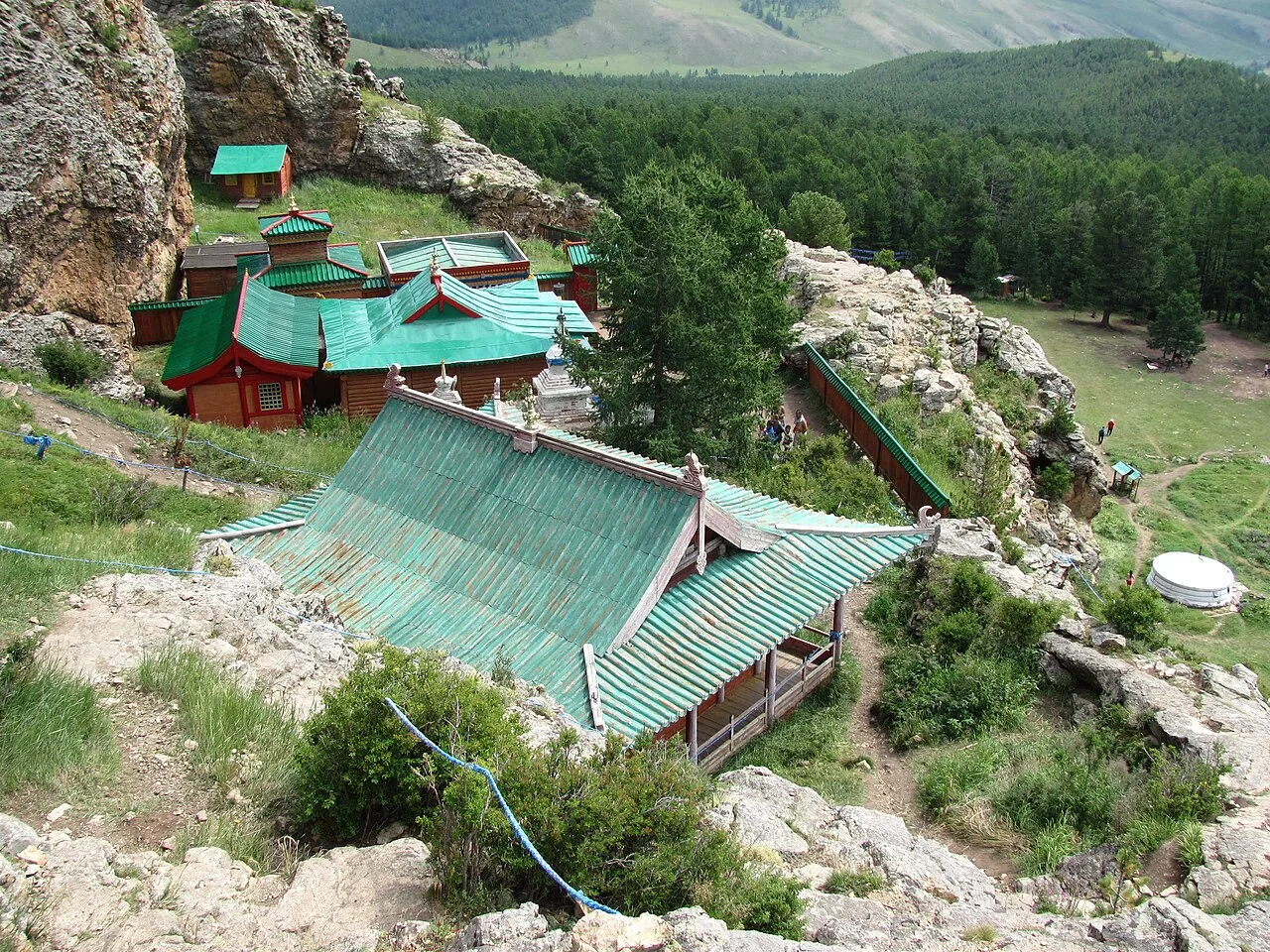
Tövkhön Monastery
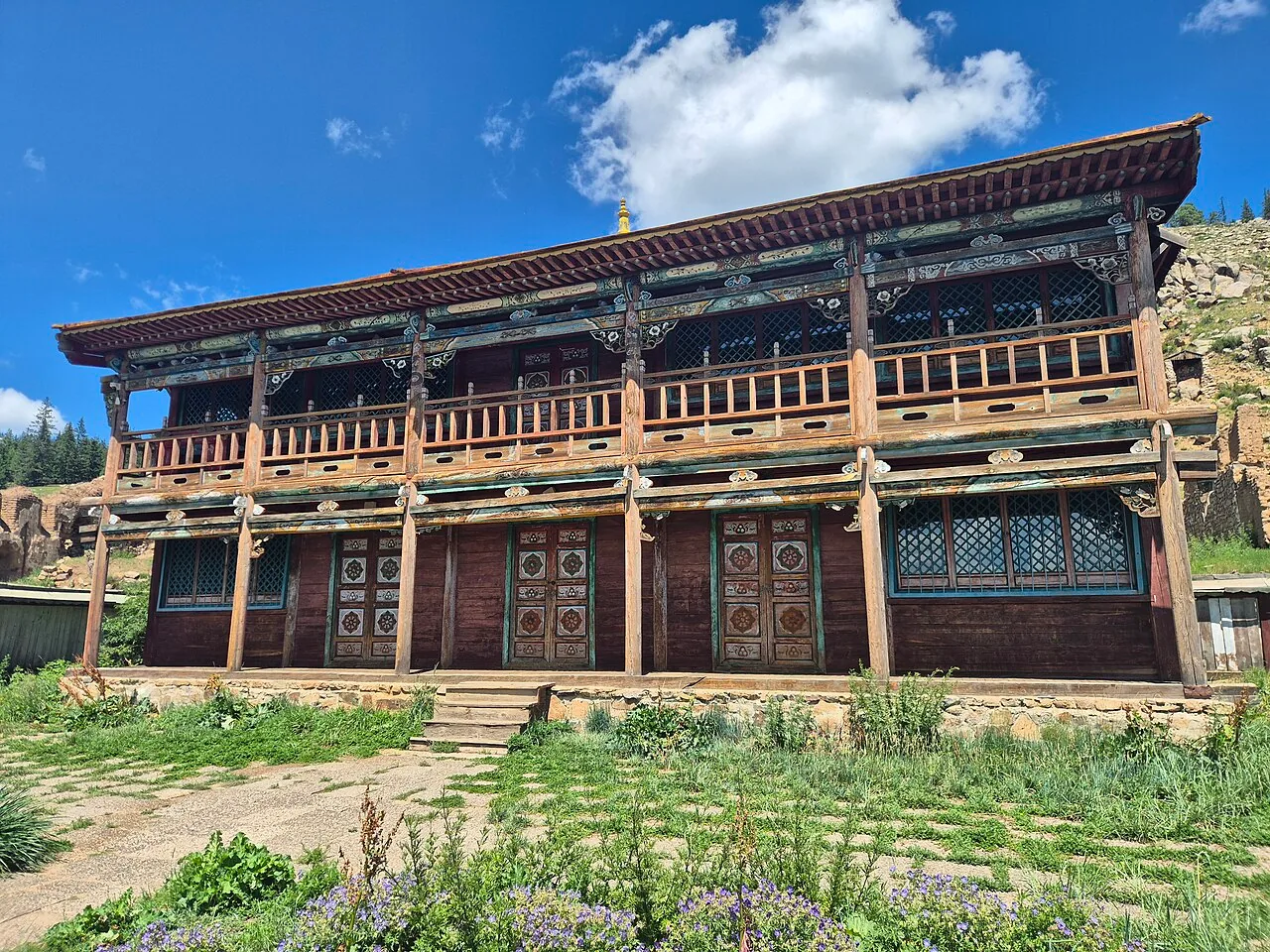
Tövkhön MonasteryТөвхөн хийдÖvörkhangaiMonasteryHilltop hermitage founded in 1648 by Zanabazar at age 14. Perched at 2,600m in the Khangai Mountains, where he created many of his most famous works of art.

Sacred Mountain5

Bogd Khan Mountain
Bogd Khan MountainБогд хан уулTövSacred MountainMongolia's oldest national park (1778) and one of the world's oldest legally protected areas. Sacred mountain rising 2,261m on the southern edge of Ulaanbaatar.
Khögnö Khan Mountain
Khögnö Khan MountainХөгнө хаан уулBulganSacred MountainGranite massif with the ruins of Övgön Monastery (1660), destroyed by rival Khalkha lord Galdan Boshugtu in 1640. A spectacular hiking and rock-climbing destination.
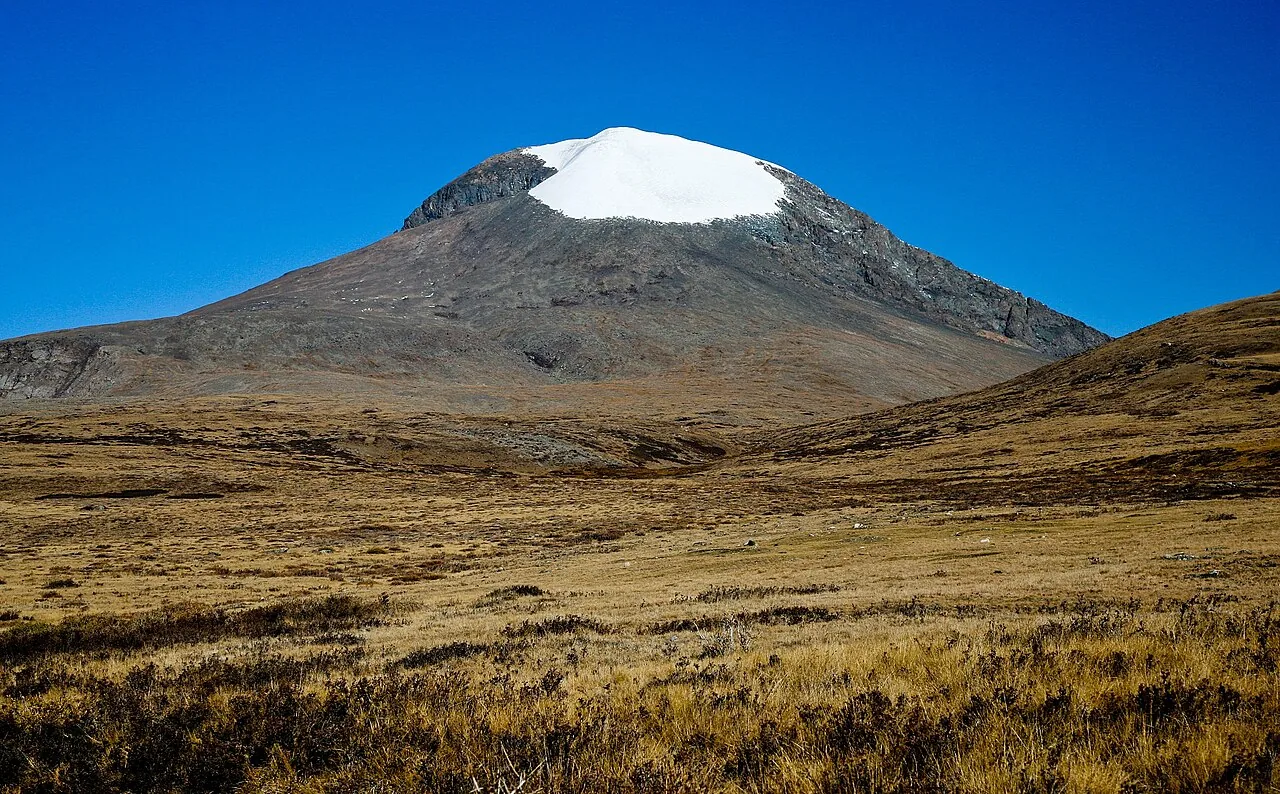
Otgontenger Mountain
Otgontenger MountainОтгонтэнгэр уулZavkhanSacred MountainHighest peak of the Khangai range at 4,008m, capped with permanent glacier. One of Mongolia's most sacred state-worshipped mountains.
Eej Khairkhan Mountain
Eej Khairkhan MountainЭэж хайрхан уулGovi-AltaiSacred Mountain'Mother Mountain' rising 2,275m from the Gobi-Altai depression. Sacred to nomads, with 9 mysterious sacred springs and unique granite formations.
Shiliin Bogd Mountain
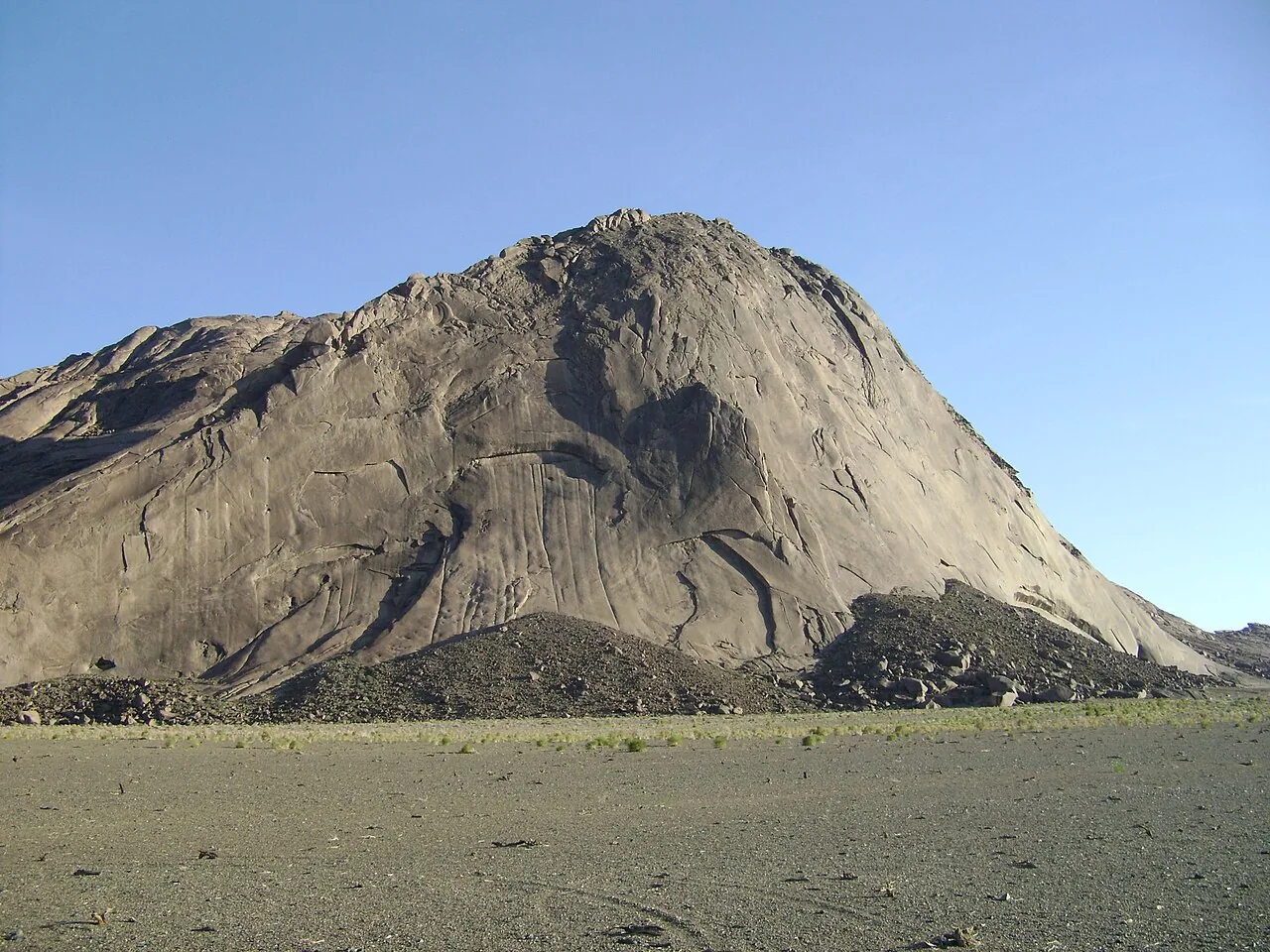
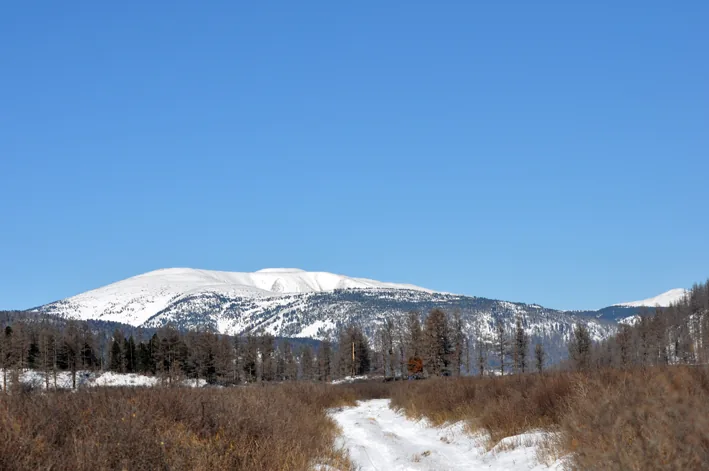
Shiliin Bogd MountainШилийн БогдSükhbaatarSacred MountainThe highest peak in Sükhbaatar aimag and a sacred extinct volcano revered in Mongolian shamanism. Stone ovoos crown its summit and ancient ritual sites dot its slopes. On a clear day the views stretch across the steppe to the Chinese border.

Historical Site7

Manzushir Monastery Ruins
Manzushir Monastery RuinsМанзуширын хийдTövHistorical SiteRuins of an 18th-century monastery on the southern slope of Bogd Khan Mountain. Once home to 300 monks before destruction in 1937 during Stalinist purges.
Kharkhorin (Karakorum)
Kharkhorin (Karakorum)ХархоринÖvörkhangaiHistorical SiteSite of the ancient capital of the Mongol Empire, founded by Genghis Khan in 1220. Once a key Silk Road hub. Now a small town next to Erdene Zuu Monastery.
Dadal (Birthplace of Genghis Khan)
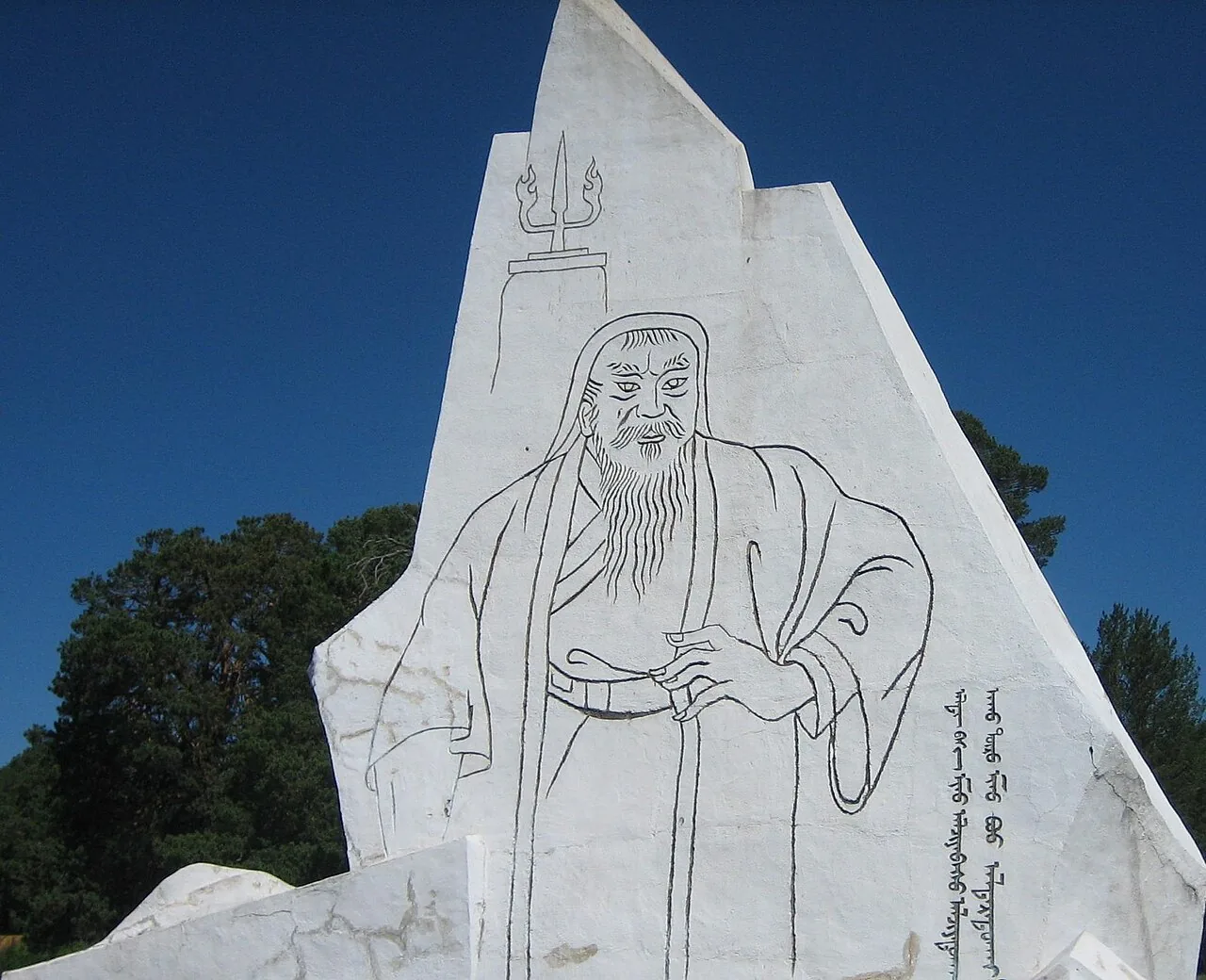
Dadal (Birthplace of Genghis Khan)ДадалKhentiiHistorical SiteVerdant village of rivers, forests and log huts widely believed to be Genghis Khan's birthplace. Features the Deluun Boldog memorial stone.
Khalkhin Gol Battlefield
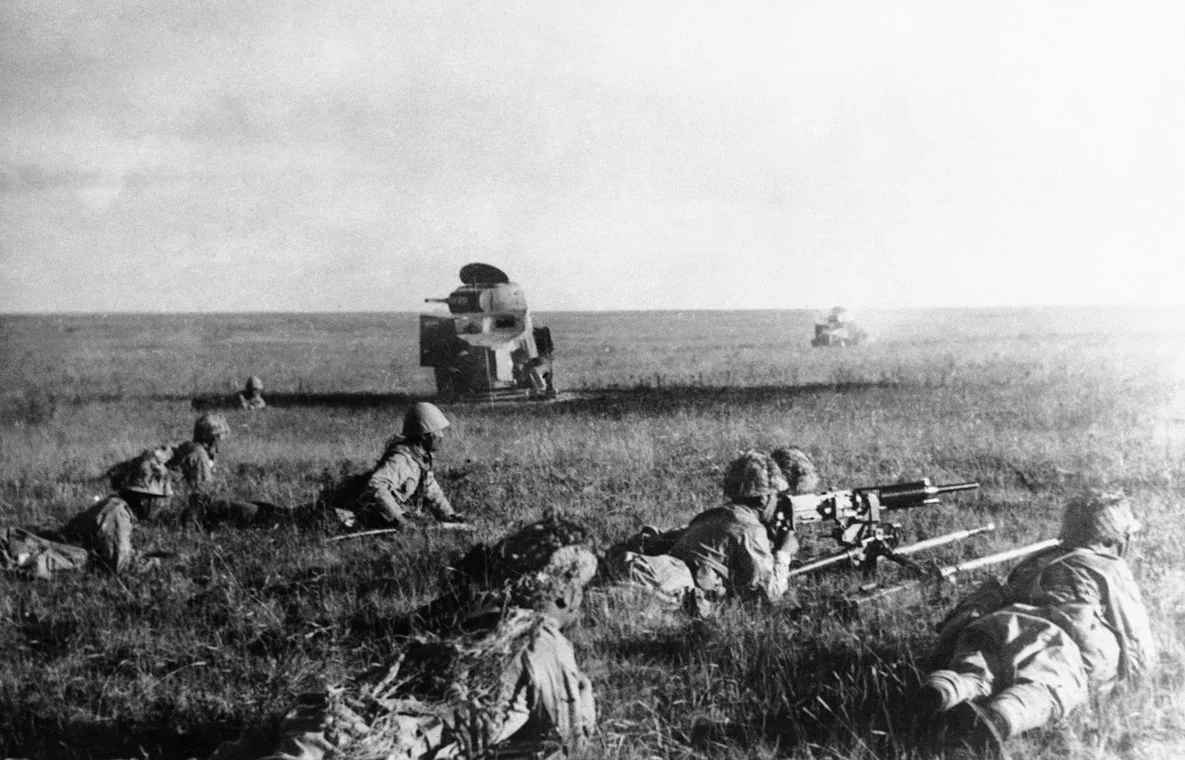
Khalkhin Gol BattlefieldХалхын голын тулалдааны газарDornodHistorical SiteSite of the 1939 Soviet-Mongolian victory over Imperial Japan, a battle that shaped the course of WWII by deterring Japan from attacking the USSR.
Ongiin Khiid (Ongi Monastery Ruins)
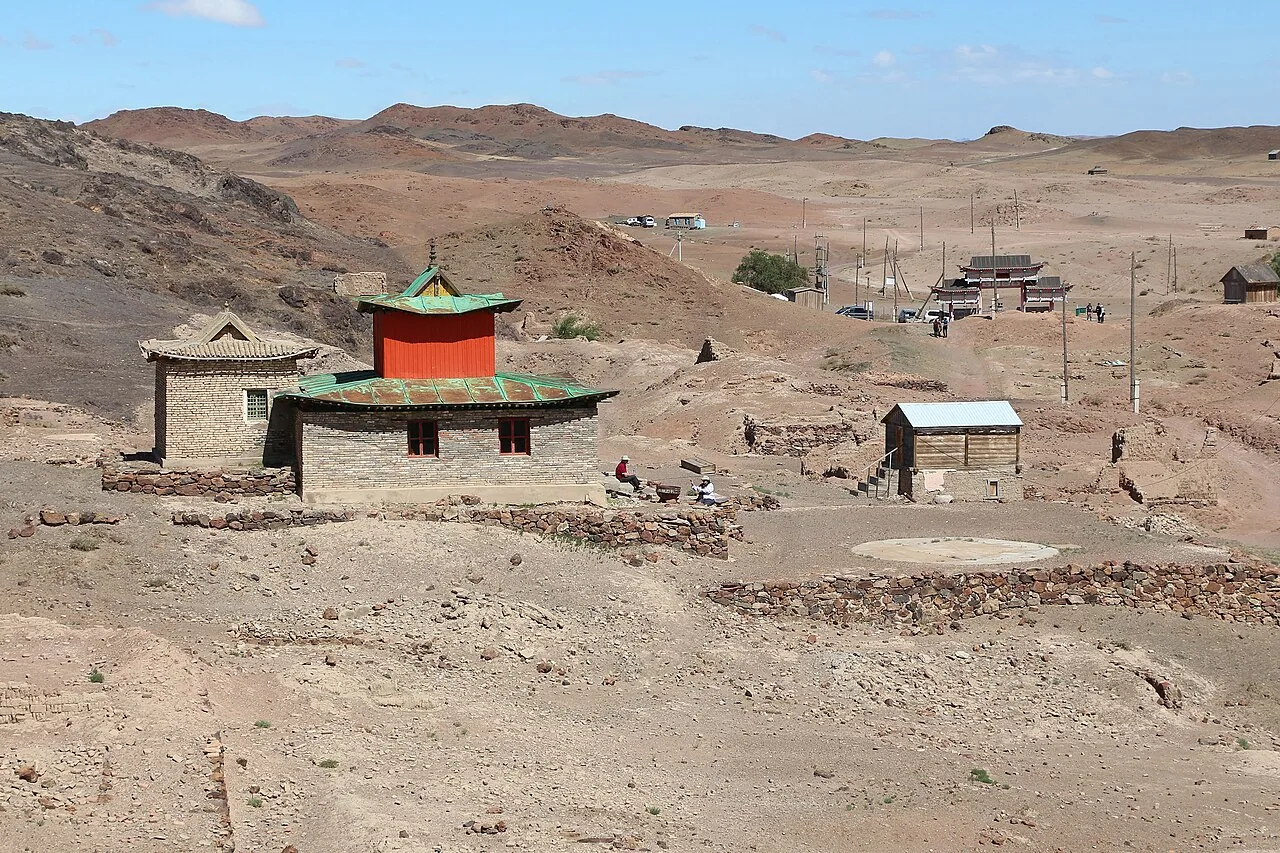
Ongiin Khiid (Ongi Monastery Ruins)Онгийн хийдDundgoviHistorical SiteRuins of a once-thriving monastic complex of 28 temples that housed 1,000 monks before its destruction in 1937. Picturesquely sited on the Ongi River.
Tsagaan Agui (White Cave)Цагаан АгуйBayankhongorHistorical SiteA remarkable prehistoric limestone cave on Mongolia's UNESCO tentative list, Tsagaan Agui contains Paleolithic-era artifacts and cave drawings dating back tens of thousands of years, making it one of Central Asia's most significant archaeological sites.
Khar Balgas (Ordu-Baliq Ruins)
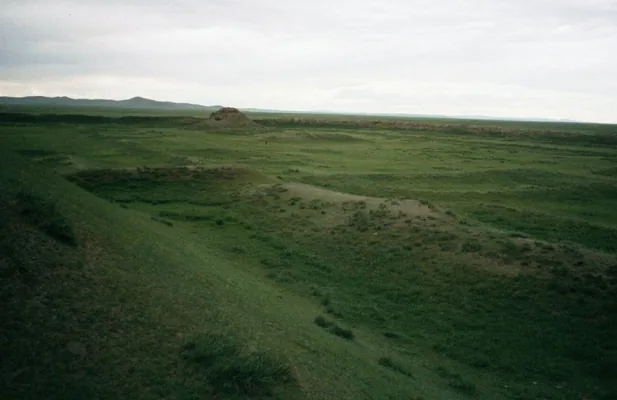
Khar Balgas (Ordu-Baliq Ruins)Хар БалгасArkhangaiHistorical SiteThe sprawling ruins of Ordu-Baliq, the 8th–9th century capital of the Uyghur Khaganate, once a city of 30,000 people. Earthen walls, palace foundations, and a towering Buddhist stupa remain in the Orkhon Valley, near Karakorum.

UNESCO World Heritage5

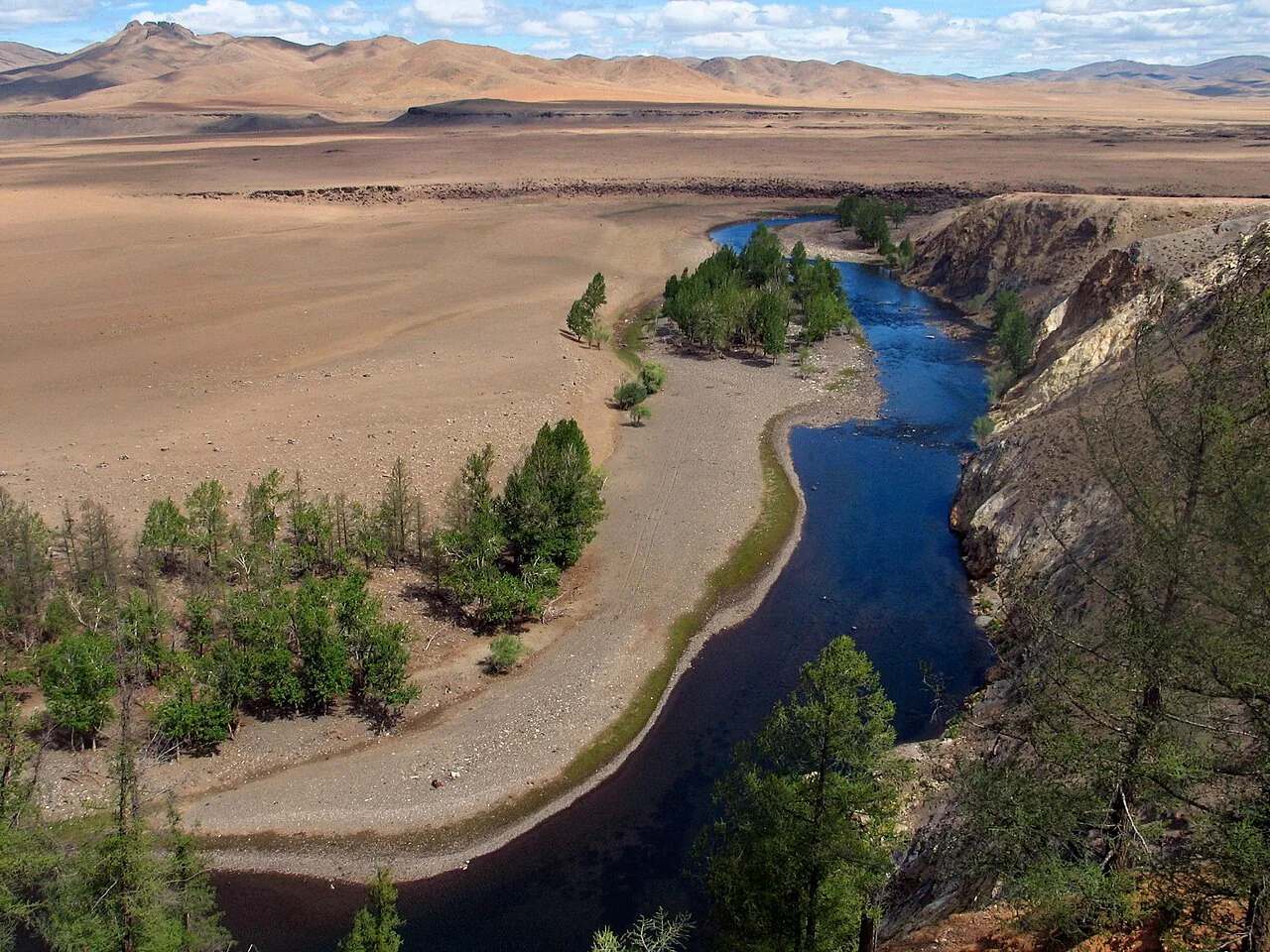
Orkhon Valley Cultural Landscape
Orkhon Valley Cultural LandscapeОрхоны хөндийÖvörkhangaiUNESCO World HeritageUNESCO World Heritage Site representing 2,000+ years of nomadic civilisation along the Orkhon River, including Karakorum and ancient Turkic monuments.
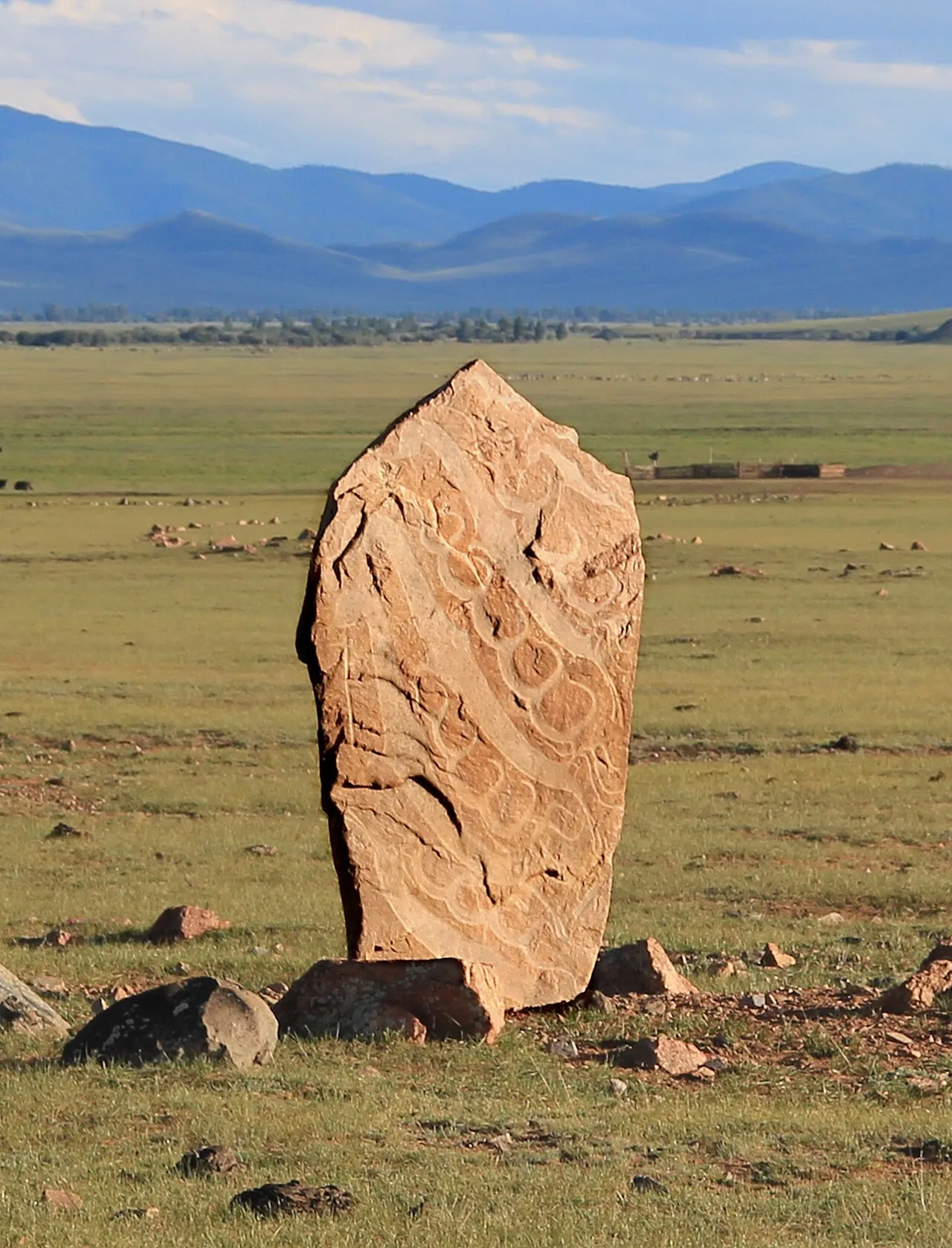
Uushigiin Övör Deer Stones
Uushigiin Övör Deer StonesУушгийн өврийн буган чулууKhövsgölUNESCO World HeritageBronze Age standing stones (1200-600 BC) carved with stylised flying deer. Part of Mongolia's most recent UNESCO World Heritage inscription (2023).
Burkhan Khaldun Mountain
Burkhan Khaldun MountainБурхан Халдун уулKhentiiUNESCO World HeritageMongolia's most sacred mountain, believed to be the birthplace and burial site of Genghis Khan. UNESCO World Heritage Site since 2015.
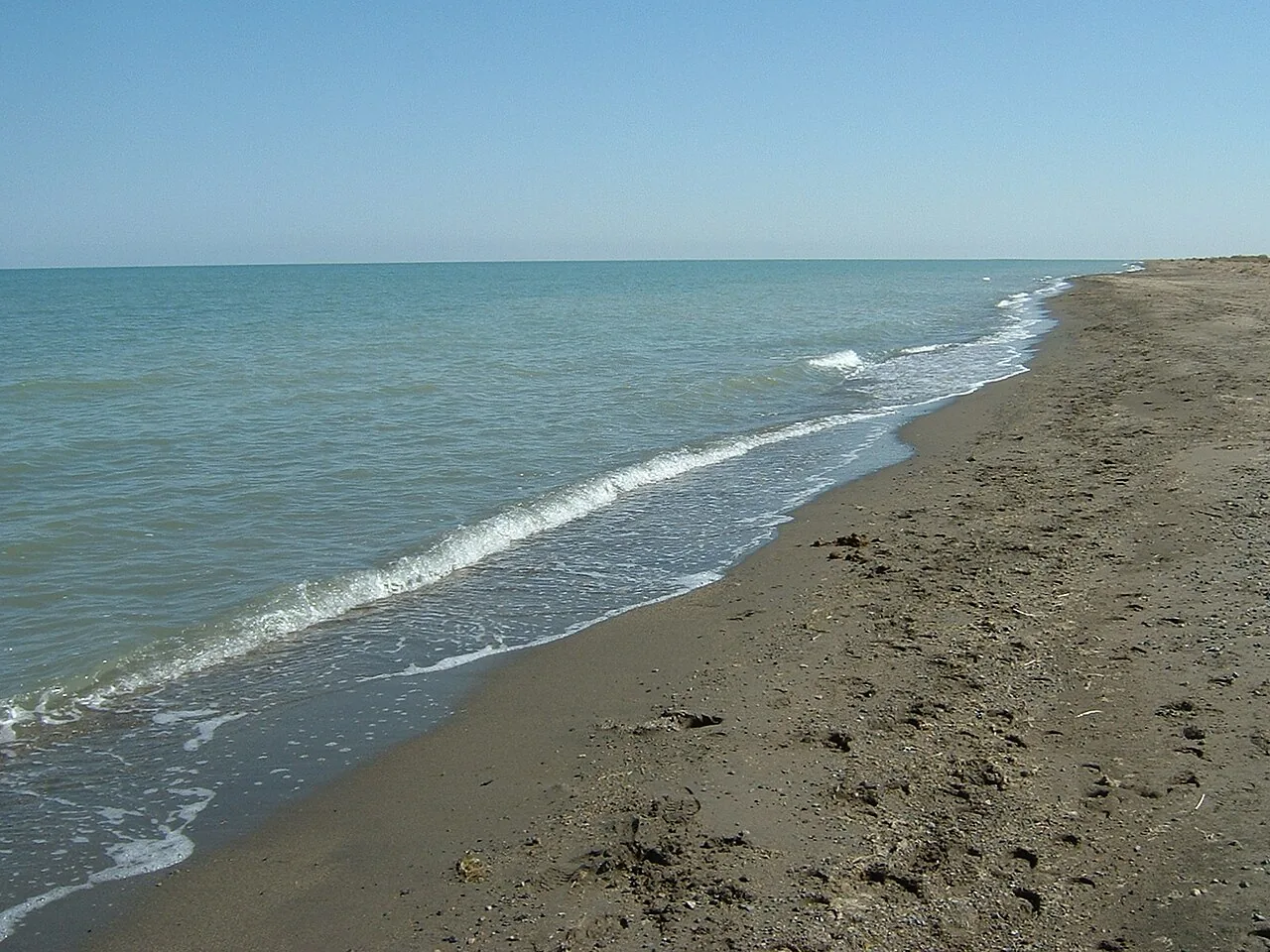
Uvs Lake (Uvs Nuur)
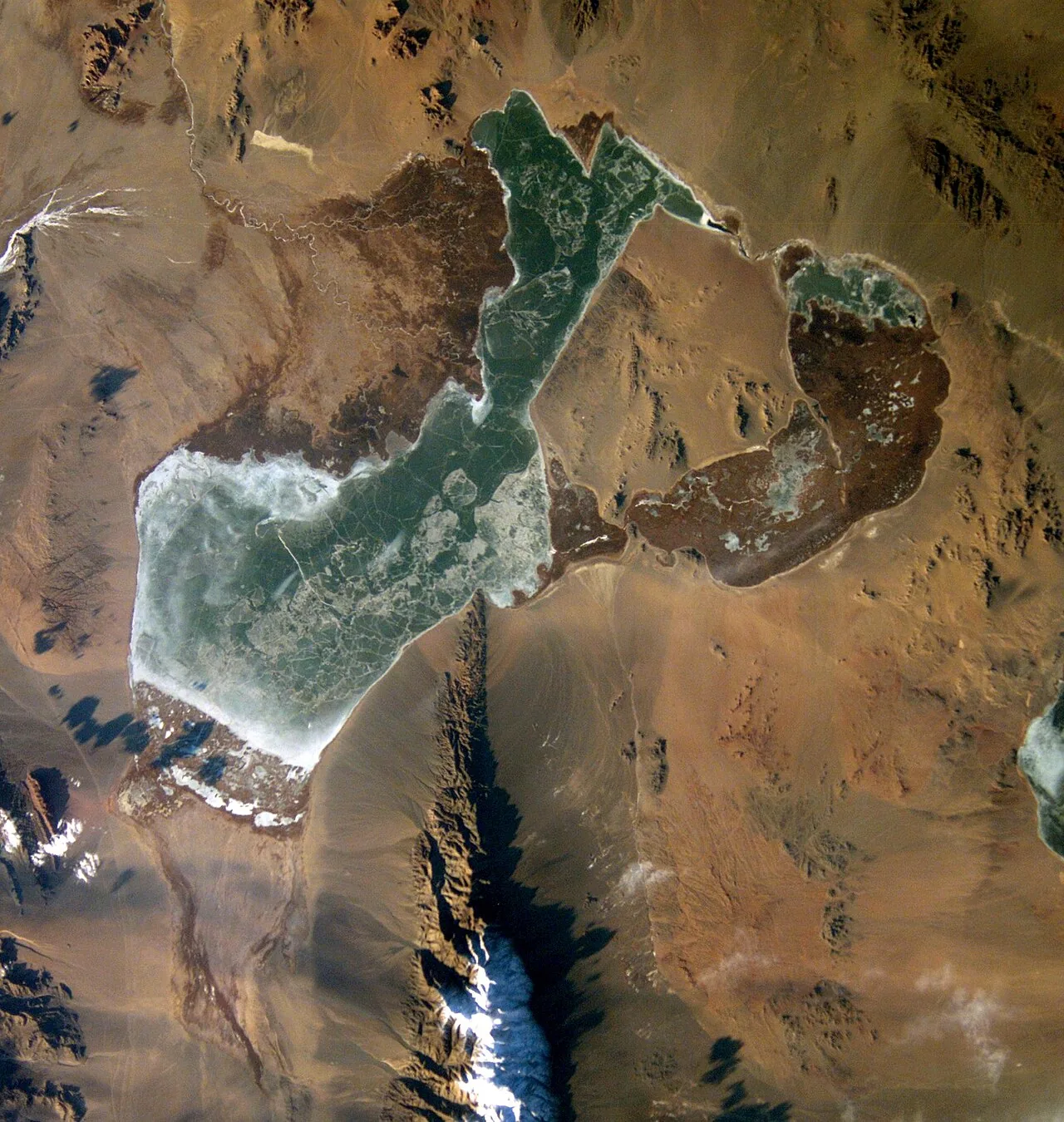
Uvs Lake (Uvs Nuur)Увс нуурUvsUNESCO World HeritageMongolia's largest lake by area, highly saline and shallow. Centrepiece of the Uvs Nuur Basin UNESCO Heritage Site shared with Russia, vital for migrating birds.
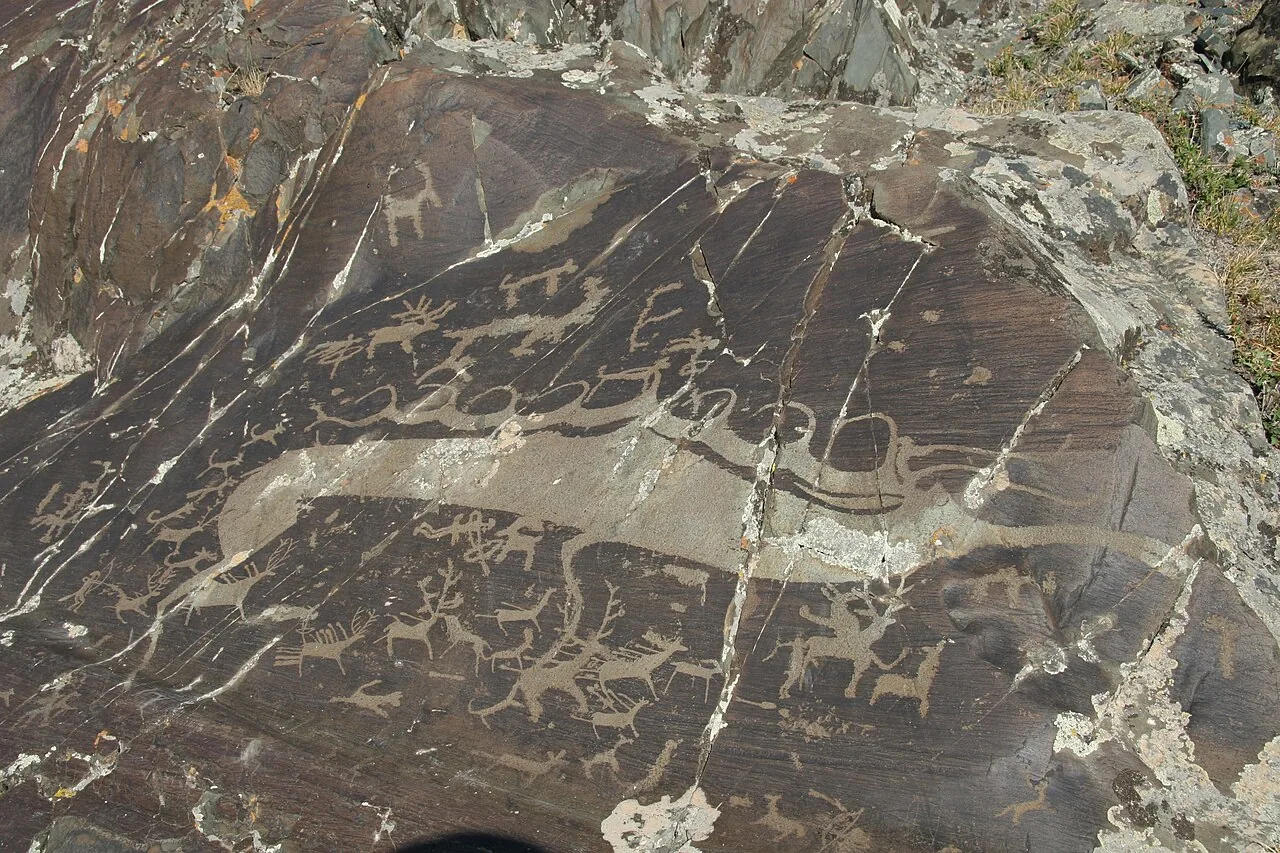
Petroglyphic Complexes of the Mongolian Altai
Petroglyphic Complexes of the Mongolian AltaiМонгол Алтайн хадны зургийн цогцолборBayan-ÖlgiiUNESCO World HeritageLargest concentration of rock art in the Mongolian Altai, with thousands of petroglyphs spanning 12,000 years. UNESCO World Heritage Site since 2011.

Waterfall1

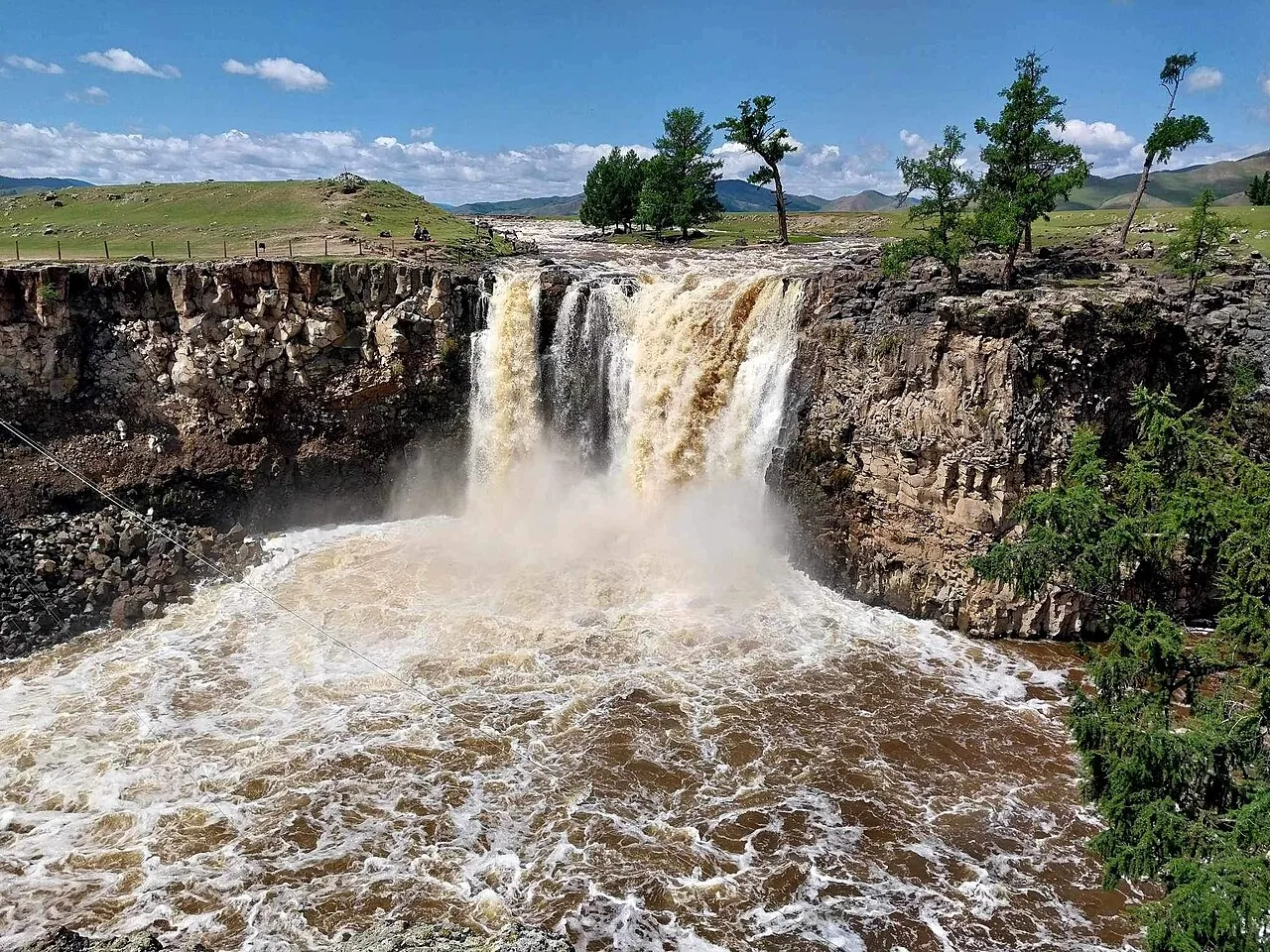
Orkhon Waterfall (Ulaan Tsutgalan)
Orkhon Waterfall (Ulaan Tsutgalan)Улаан цутгаланÖvörkhangaiWaterfallMongolia's most famous waterfall, plunging 24 metres into a basalt canyon. Created by ancient volcanic eruptions and earthquakes around 20,000 years ago.

Lake7

Naiman Nuur (Eight Lakes)
Naiman Nuur (Eight Lakes)Найман нуурÖvörkhangaiLakeEight interconnected volcanic lakes nestled in the Khangai Mountains at 2,400m. Accessible only by horseback or hiking, preserving their pristine remoteness.
Terkhiin Tsagaan Lake (White Lake)
Terkhiin Tsagaan Lake (White Lake)Тэрхийн цагаан нуурArkhangaiLakeFreshwater lake formed by lava flows from the Khorgo volcano around 8,000 years ago. Sits at 2,060m elevation surrounded by extinct volcanoes and basalt fields.
Lake Khövsgöl
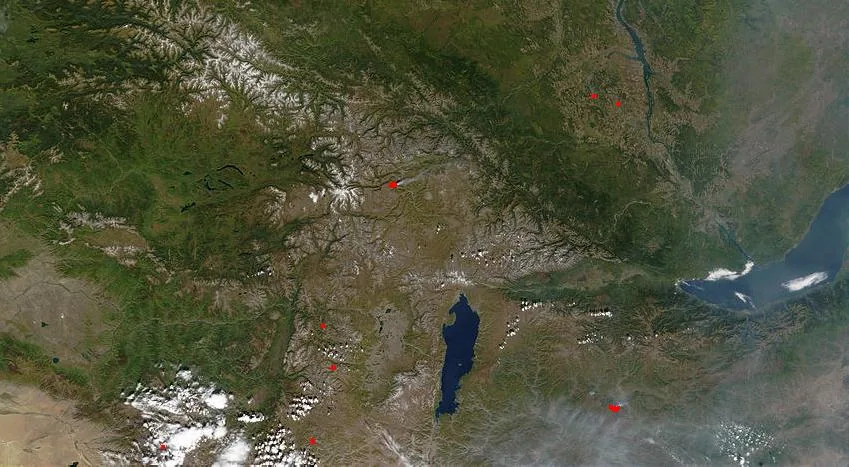
Lake KhövsgölХөвсгөл нуурKhövsgölLakeMongolia's deepest and largest freshwater lake, holding 70% of the country's fresh water. Known as the 'Dark Blue Pearl' and sister to Russia's Lake Baikal.
Khökh Nuur (Blue Lake)
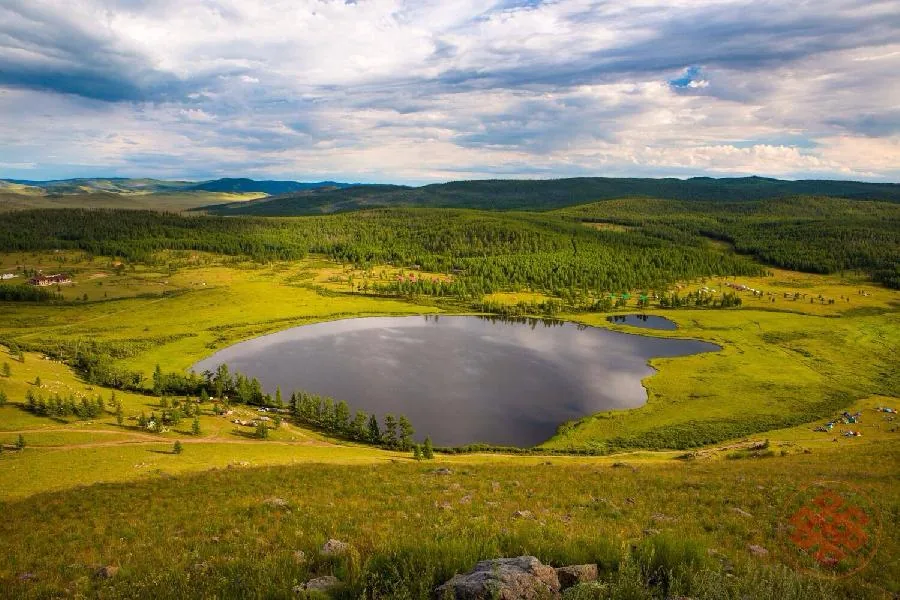
Khökh Nuur (Blue Lake)Хөх нуурKhentiiLakeSmall but historically vital lake where Temüjin was crowned 'Genghis Khan' in 1206 CE, founding the Mongol Empire. Surrounded by rolling hills and wildflowers.
Khoton & Khurgan Lakes
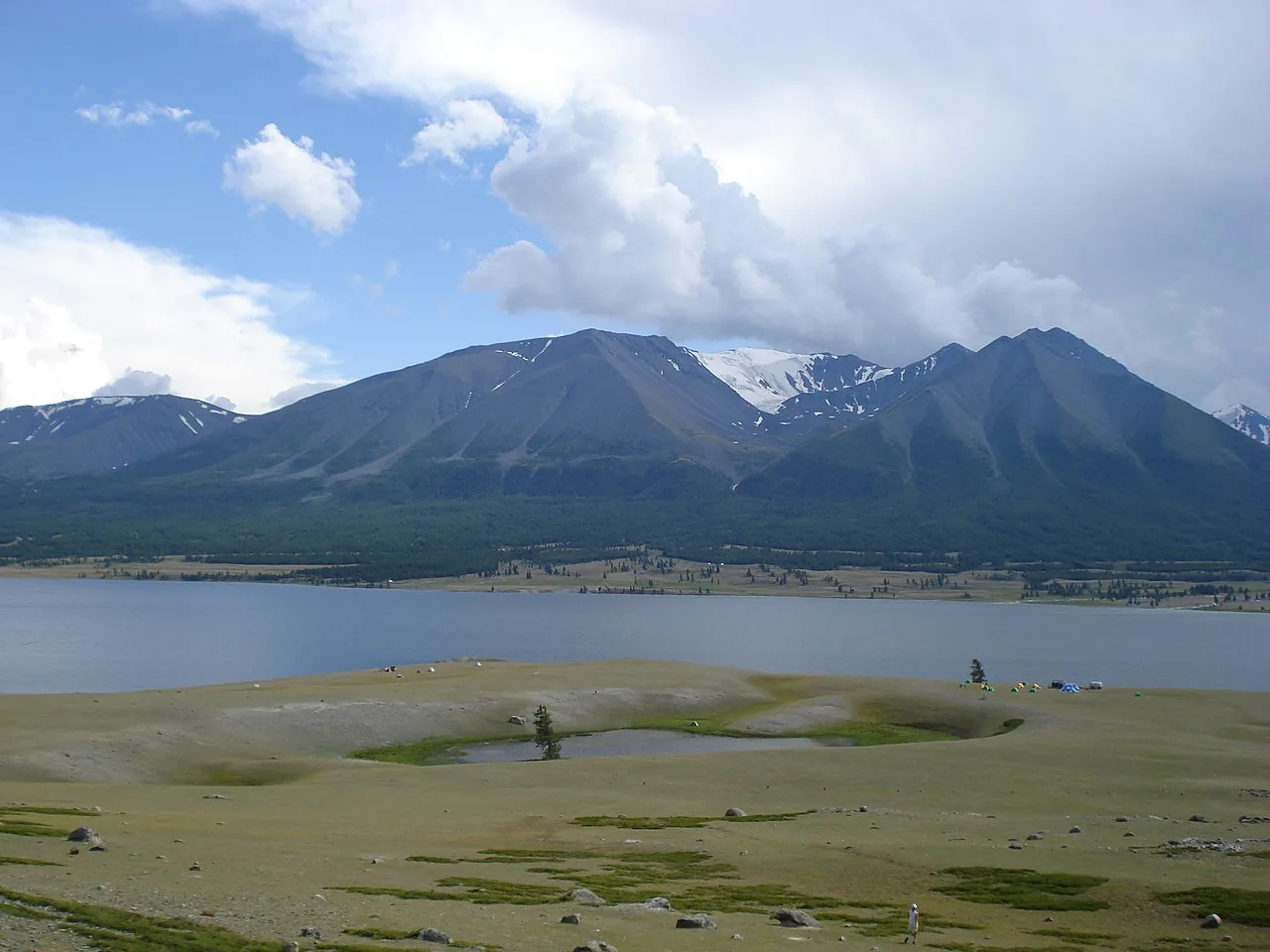
Khoton & Khurgan LakesХотон, Хурган нуурBayan-ÖlgiiLakeTwin freshwater lakes inside Altai Tavan Bogd National Park, fed by glaciers. Home to wild horses, marmots, and snow leopards in the surrounding peaks.
Khar-Us Lake
Khar-Us LakeХар ус нуурKhovdLakeMongolia's second largest freshwater lake, surrounded by reeds and wetlands. A crucial stopover for migratory birds including pelicans and bar-headed geese.
Khyargas Lake
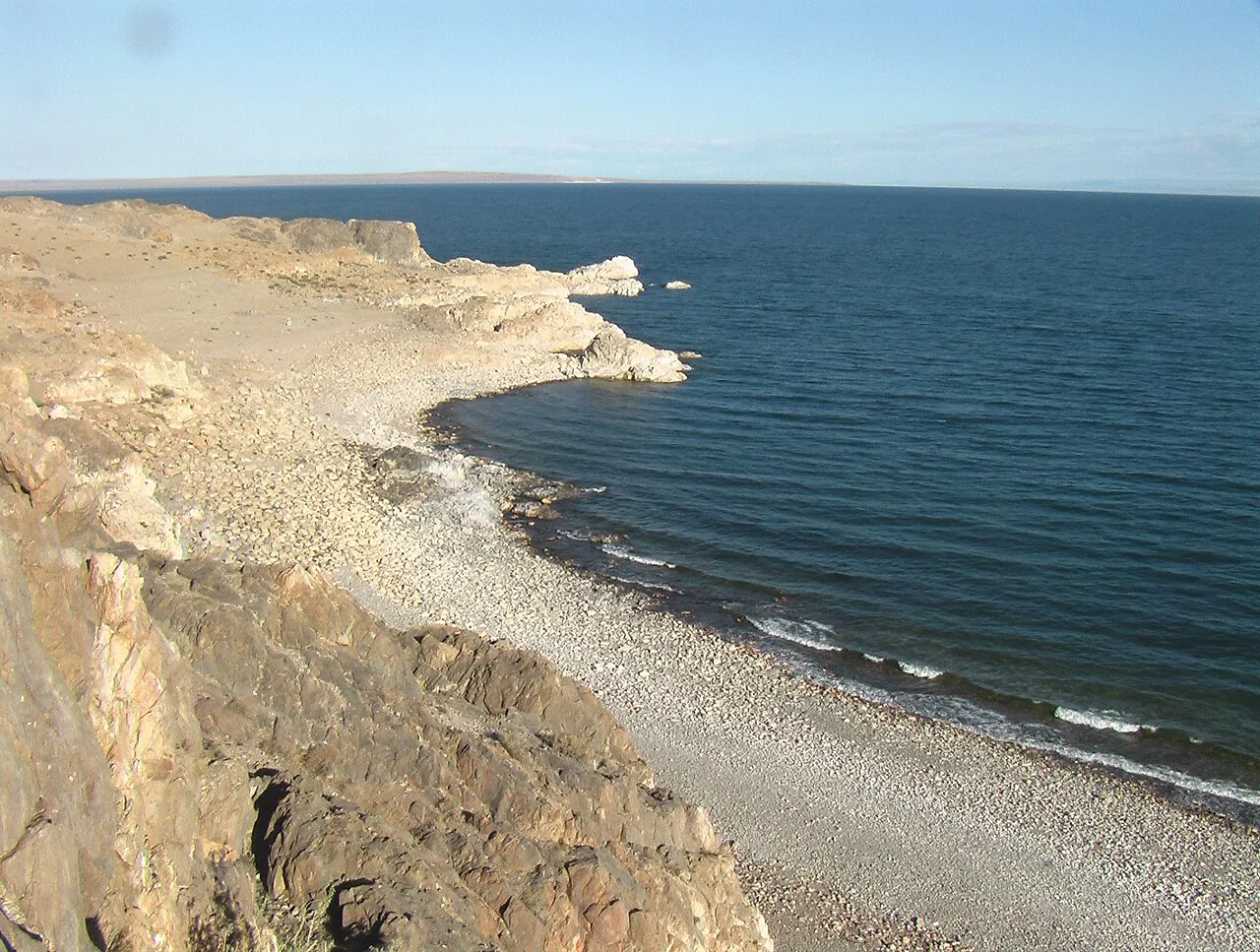
Khyargas LakeХяргас нуурUvsLakeSaline lake with stark white limestone cliffs at Khetsuu Khad that look more like Greece than Mongolia. Famous for hot springs along its northern shore.

Hot Springs2

Tsenkher Hot SpringsЦэнхэрийн халуун рашаанArkhangaiHot SpringsNatural geothermal hot springs reaching 86°C, traditionally believed to heal joint and nervous system ailments. Popular with both locals and travellers year-round.
Shargaljuut Hot Springs
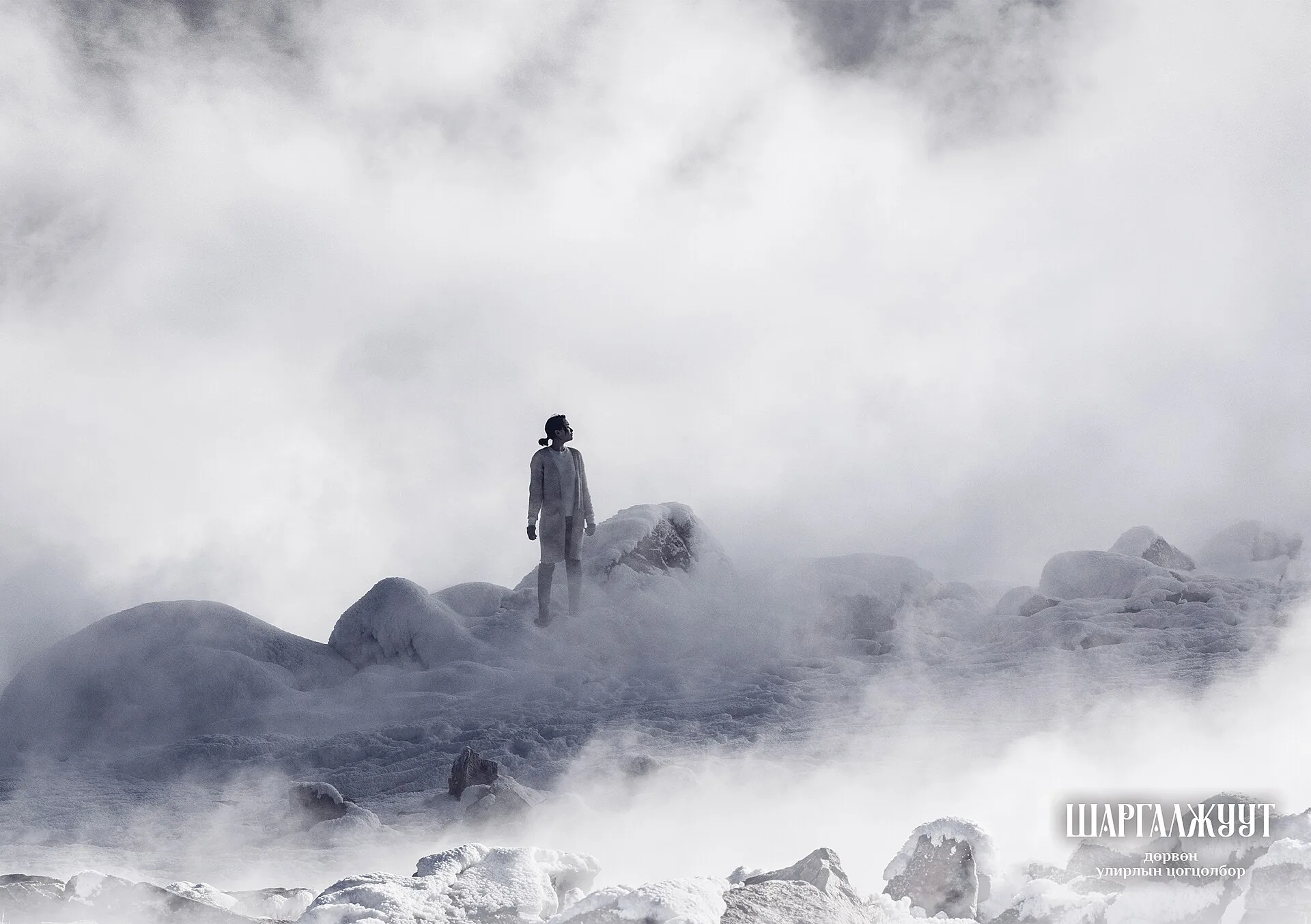
Shargaljuut Hot SpringsШаргалжуутBayankhongorHot SpringsOne of Mongolia's most celebrated spa destinations, Shargaljuut features over 300 mineral springs of varying temperatures and compositions, long used in traditional Mongolian medicine for treating joint and skin conditions.

Volcano1

Khorgo Volcano
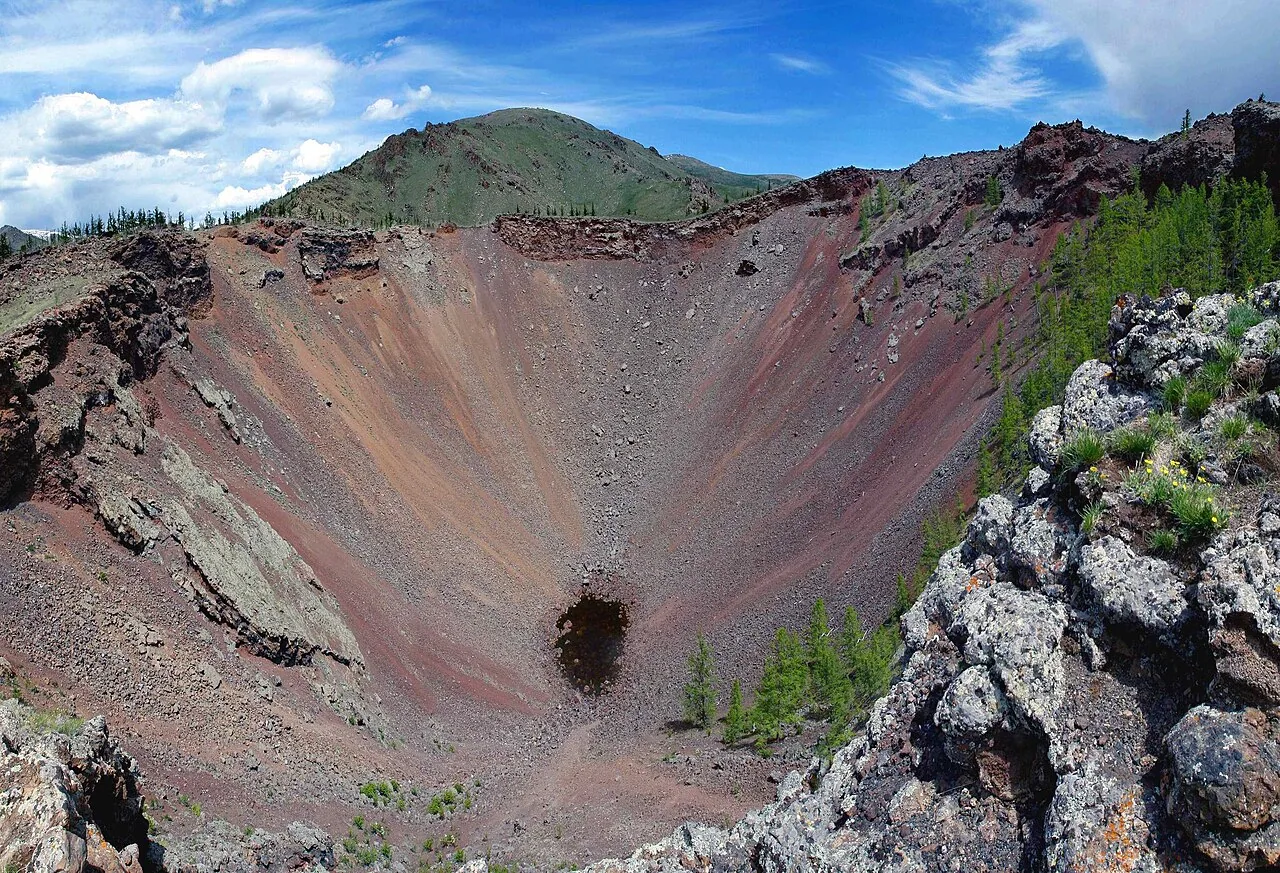
Khorgo VolcanoХорго уулArkhangaiVolcanoExtinct volcano with a deep crater you can hike into. Last erupted around 8,000 years ago, creating the lava landscape that dammed the Terkhiin Tsagaan Lake.

Town & Village5

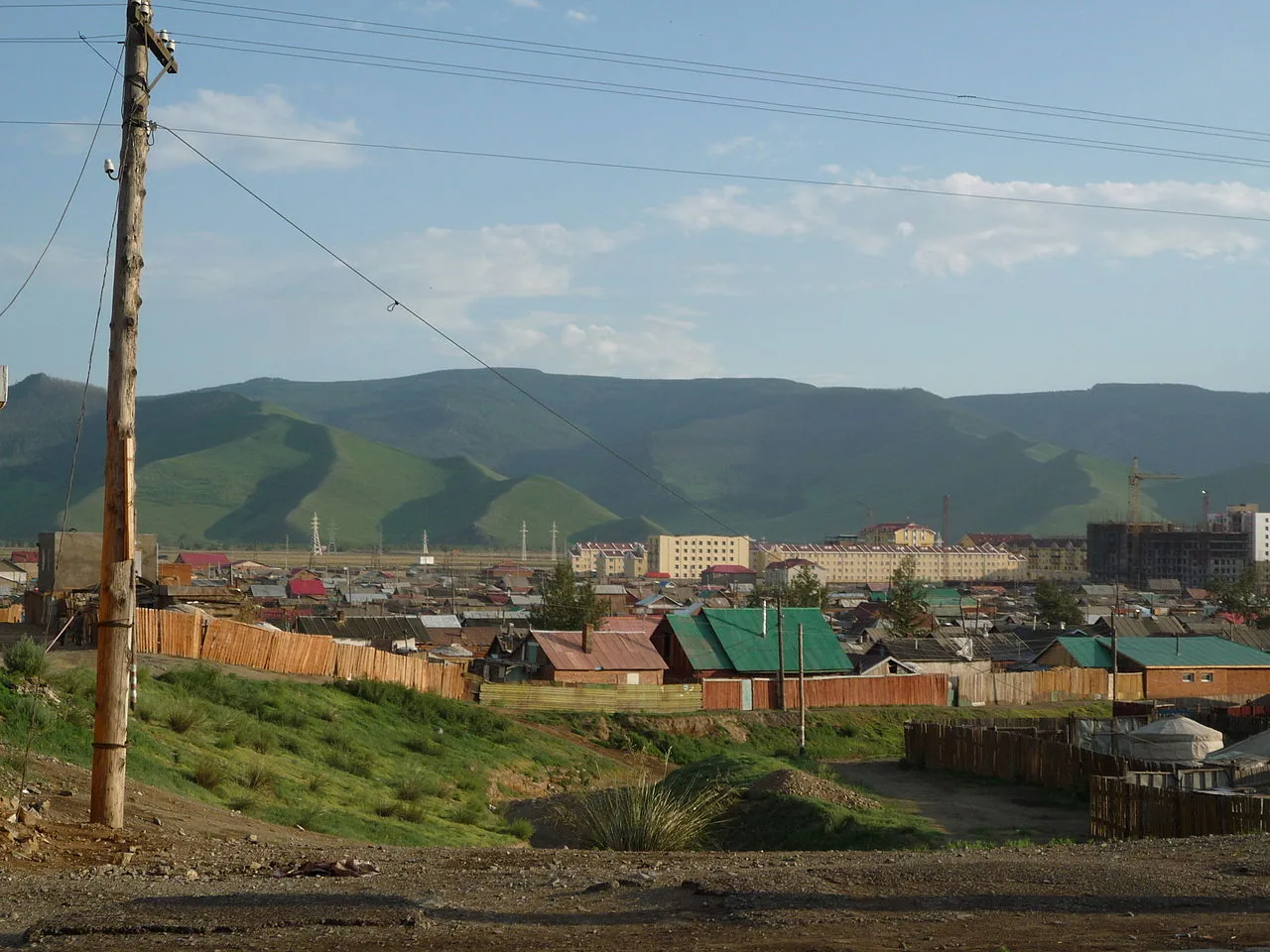
Tsetserleg
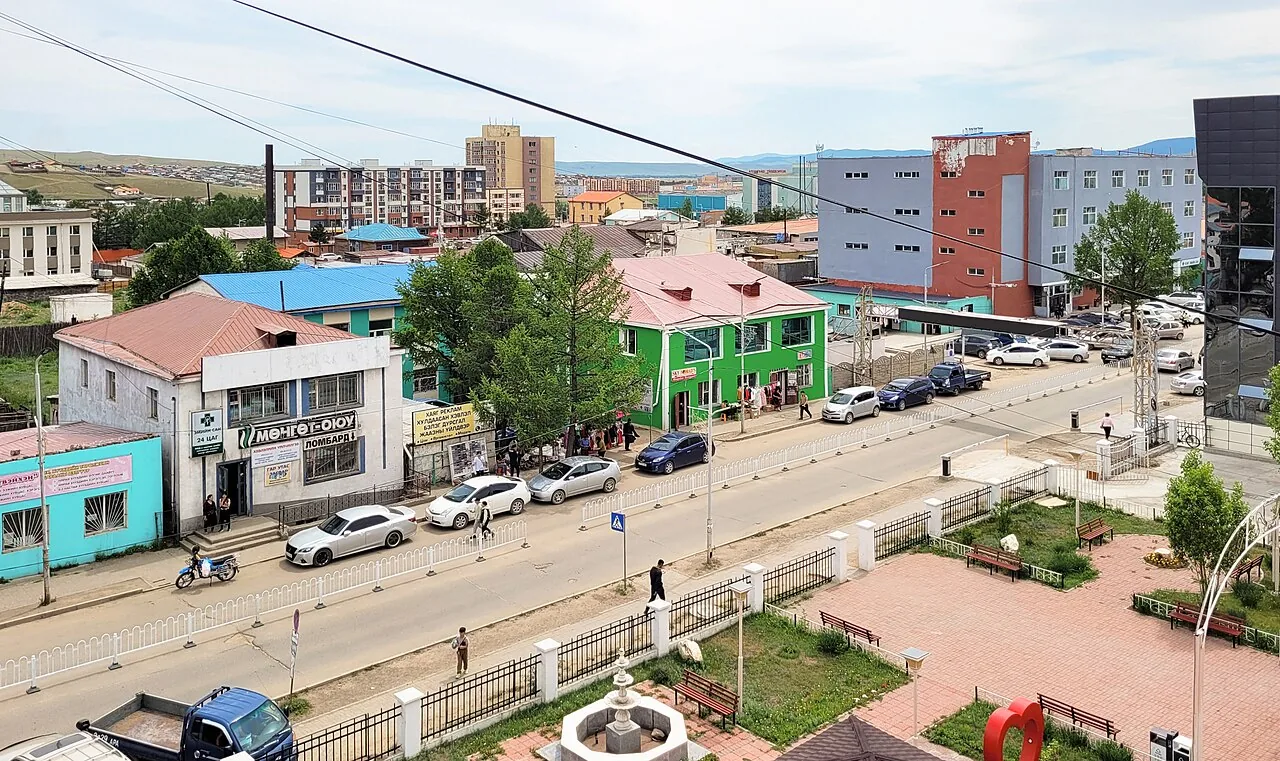
TsetserlegЦэцэрлэгArkhangaiTown & VillageProvincial capital known as 'Garden City', set against forested hills. The Zayain Gegeen Museum is housed in a former 17th-century monastery.
Khatgal
KhatgalХатгалKhövsgölTown & VillageMain gateway settlement on the southern shore of Lake Khövsgöl. Hosts the famous Ice Festival each March with horse sledding and ice sculpting.
Mörön
MörönМөрөнKhövsgölTown & VillageProvincial capital and gateway to Lake Khövsgöl, with the only airport in the region. The Danzandarjaa Monastery is one of the largest in northern Mongolia.
Dalanzadgad
DalanzadgadДаланзадгадÖmnögoviTown & VillageProvincial capital of South Gobi and the main jumping-off point for desert tours. Hosts the South Gobi Museum with dinosaur fossils and Gobi nature exhibits.
Ölgii
ÖlgiiӨлгийBayan-ÖlgiiTown & VillageProvincial capital with a majority Kazakh population. Best base for visiting eagle hunters and home to the famous Golden Eagle Festival each October.

Sand Dunes2

Elsen Tasarkhai (Mini Gobi)
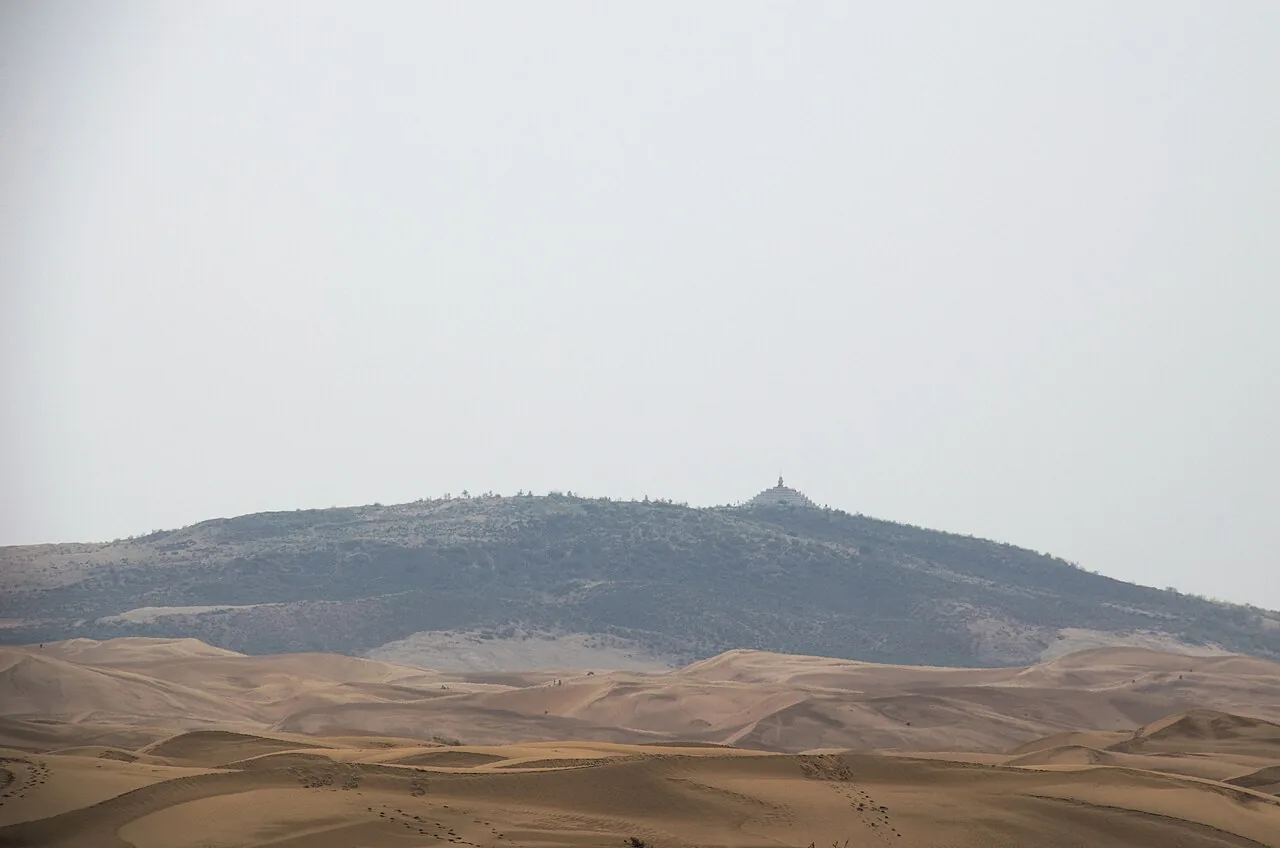
Elsen Tasarkhai (Mini Gobi)Элсэн тасархайBulganSand DunesAn 80km-long sand dune belt sometimes called the 'Mini Gobi', combining sand, steppe and forest. Convenient stop on the way to Kharkhorin with camel rides available.
Khongoryn Els (Singing Dunes)
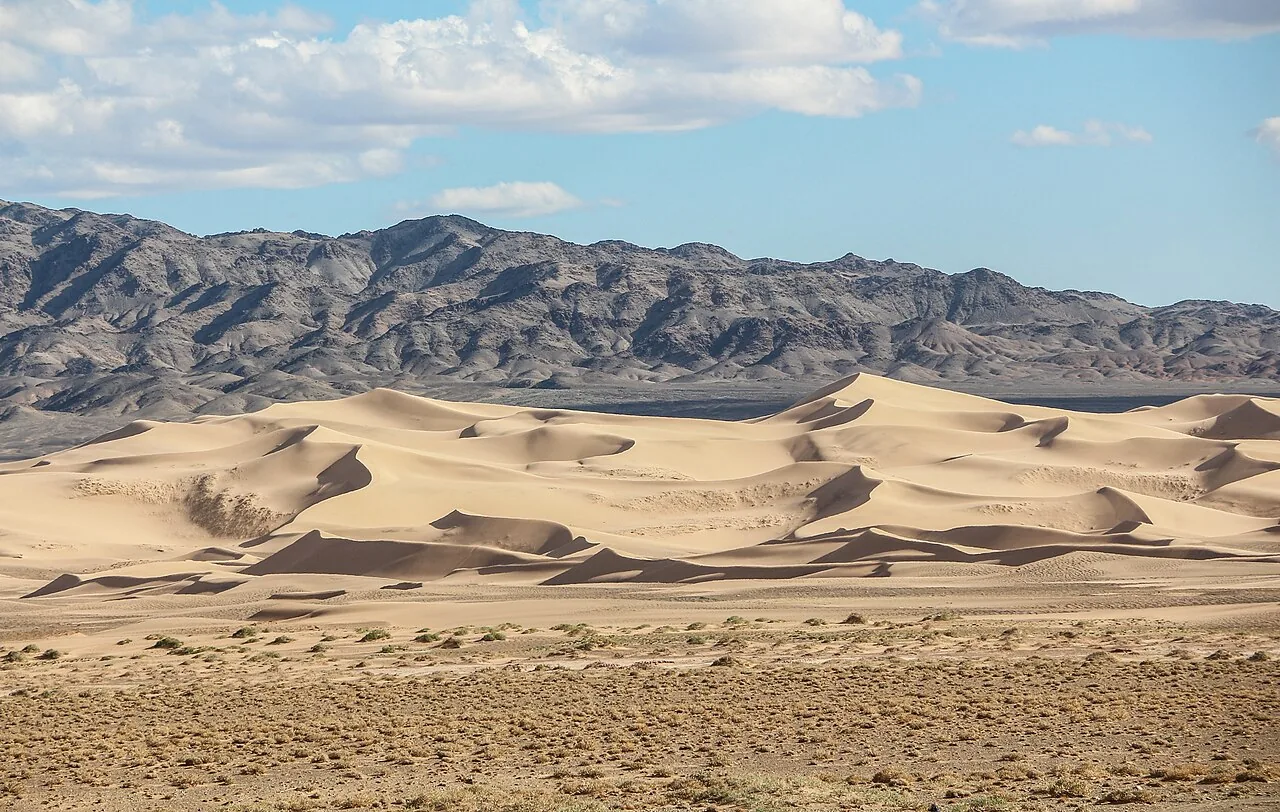
Khongoryn Els (Singing Dunes)Хонгорын элсÖmnögoviSand DunesVast sand dunes stretching 180km long and reaching 300m high. Strong winds make the sand 'sing' with a deep humming sound. Camel rides are a classic experience here.

Cultural Experience1

Tsaatan Reindeer Herders (East Taiga)
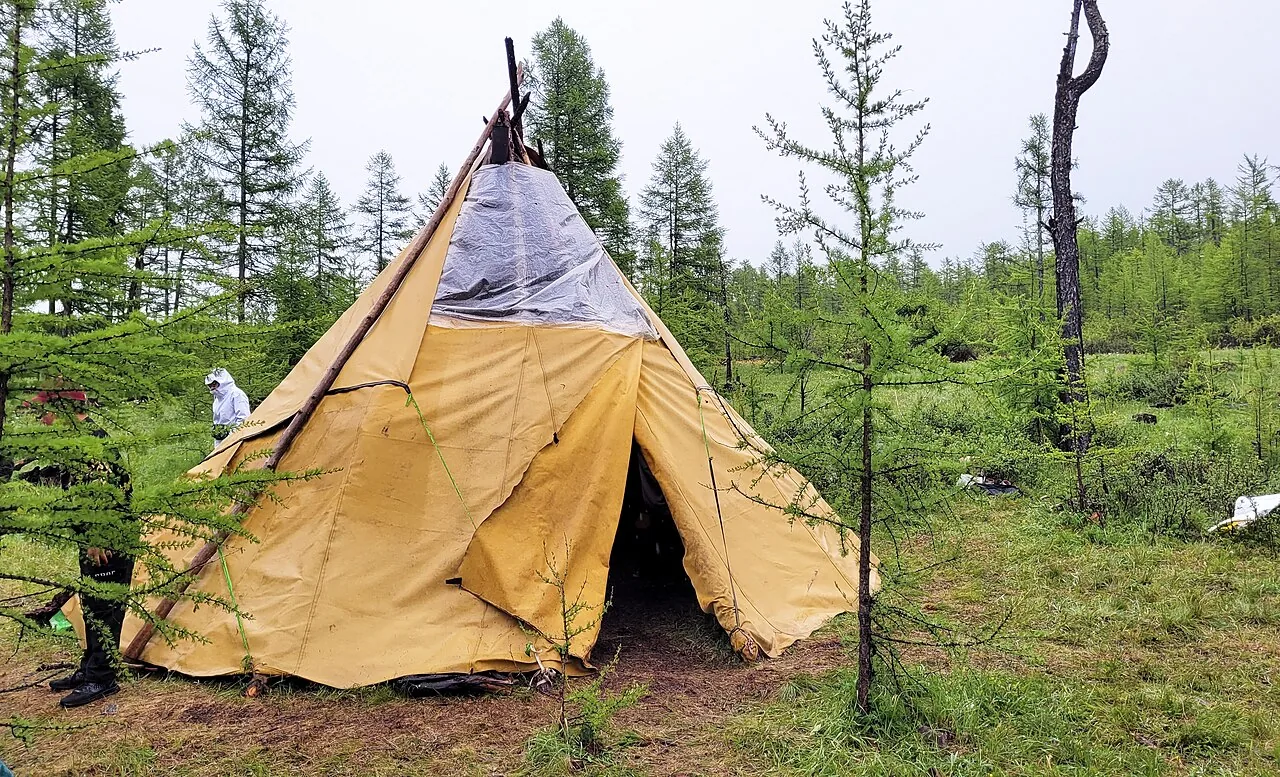
Tsaatan Reindeer Herders (East Taiga)Цаатан ард түмэнKhövsgölCultural ExperienceHome to Mongolia's last reindeer-herding people, the Dukha or Tsaatan. Their traditional teepee-style ortz dwellings sit deep in the boreal taiga forest.

Nature Reserve4

Khan Khentii Strictly Protected Area
Khan Khentii Strictly Protected AreaХан Хэнтийн нурууKhentiiNature ReserveVast wilderness where Siberian taiga meets Mongolian steppe. Home to moose, brown bears, lynx, and over 250 bird species. The headwaters of three great rivers.
Ikh Nart Nature Reserve
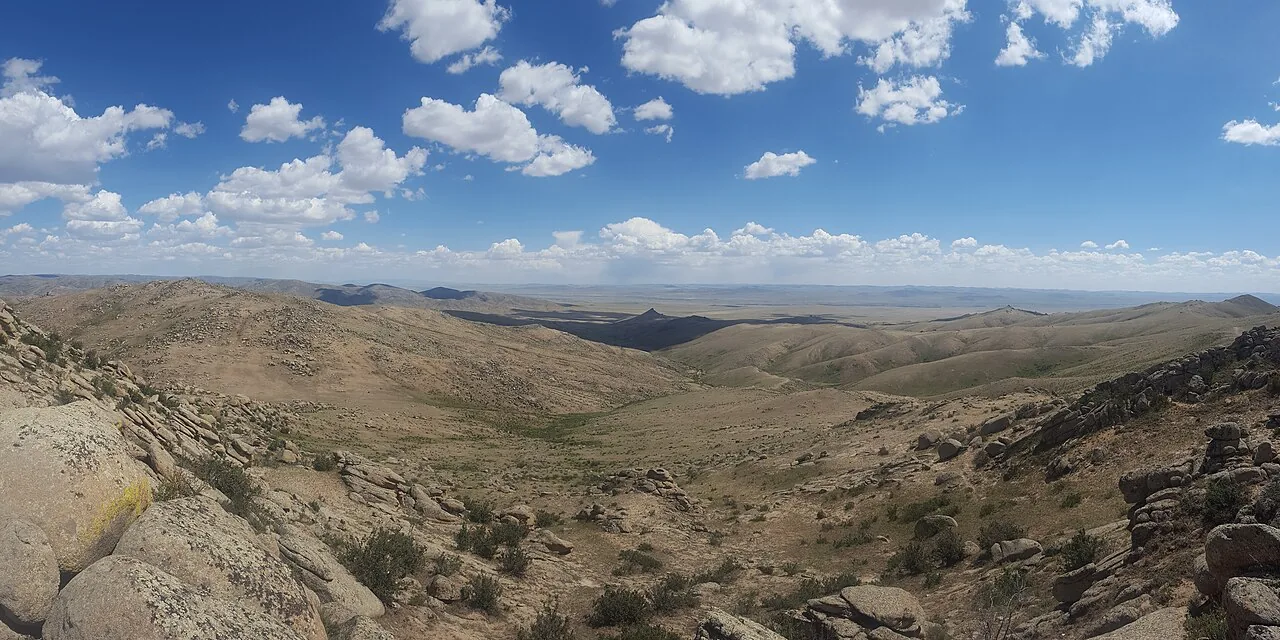
Ikh Nart Nature ReserveИх Нартын байгалийн нөөц газарDornogoviNature ReserveRocky semi-desert sanctuary for argali sheep, Siberian ibex and rare cinereous vultures. Granite outcrops create a striking contrast with the surrounding steppe.
Gun Galuut Nature ReserveГун Галуут байгалийн цогцолбор газарKhentiiNature ReserveOne of the most accessible wilderness areas from Ulaanbaatar, this wetland reserve encompasses the Kherlen River valley and Tsagaan Nuur lake. It is a crucial stopover for migratory birds and home to wolves, argali sheep, and Mongolian gazelle.
Great Gobi Strictly Protected Area
Great Gobi Strictly Protected AreaИх Говийн ЧандманьGovi-AltaiNature ReserveOne of the largest strictly protected areas in Asia and the last sanctuary of the critically endangered wild Bactrian camel. The area also shelters Gobi bears, snow leopards, and Mongolian wild ass across a vast desert landscape of saxaul forest, rocky massifs, and dry riverbeds.

Canyon2

Yolyn Am (Eagle Valley)
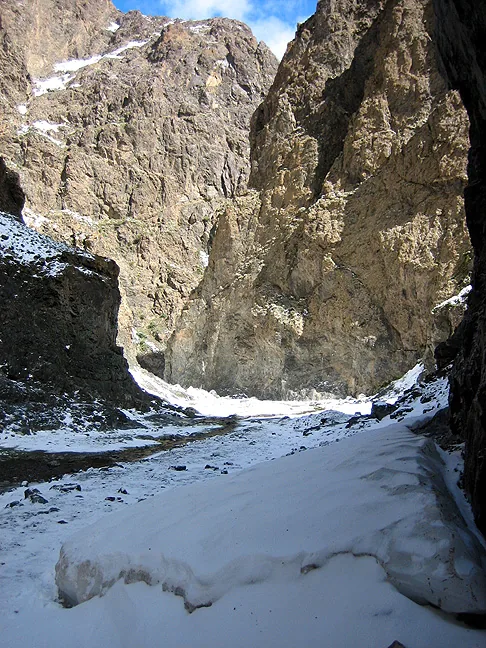
Yolyn Am (Eagle Valley)Ёлын амÖmnögoviCanyonDeep, narrow gorge in the Gurvan Saikhan Mountains. Famous for ice fields that historically lasted year-round at the bottom of the canyon, even in summer.
Chuluut Gorge
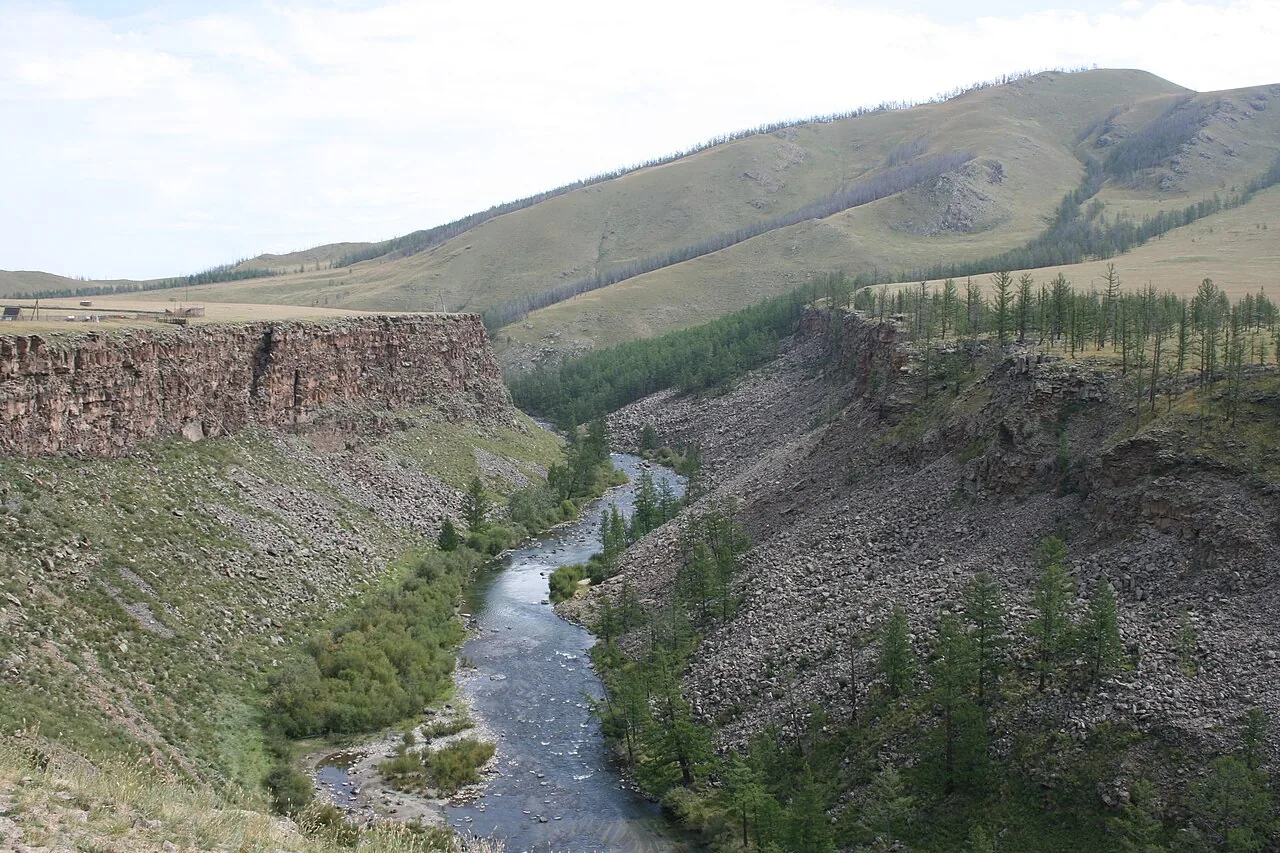
Chuluut GorgeЧулуутын хавцалArkhangaiCanyonA spectacular canyon carved by the Chuluut River through ancient basalt lava flows, with sheer black walls dropping up to 100 metres. The gorge stretches for over 30 kilometres and is a popular stop on the route between Ulaanbaatar and Lake Khövsgöl.

Geological Site6

Bayanzag (Flaming Cliffs)
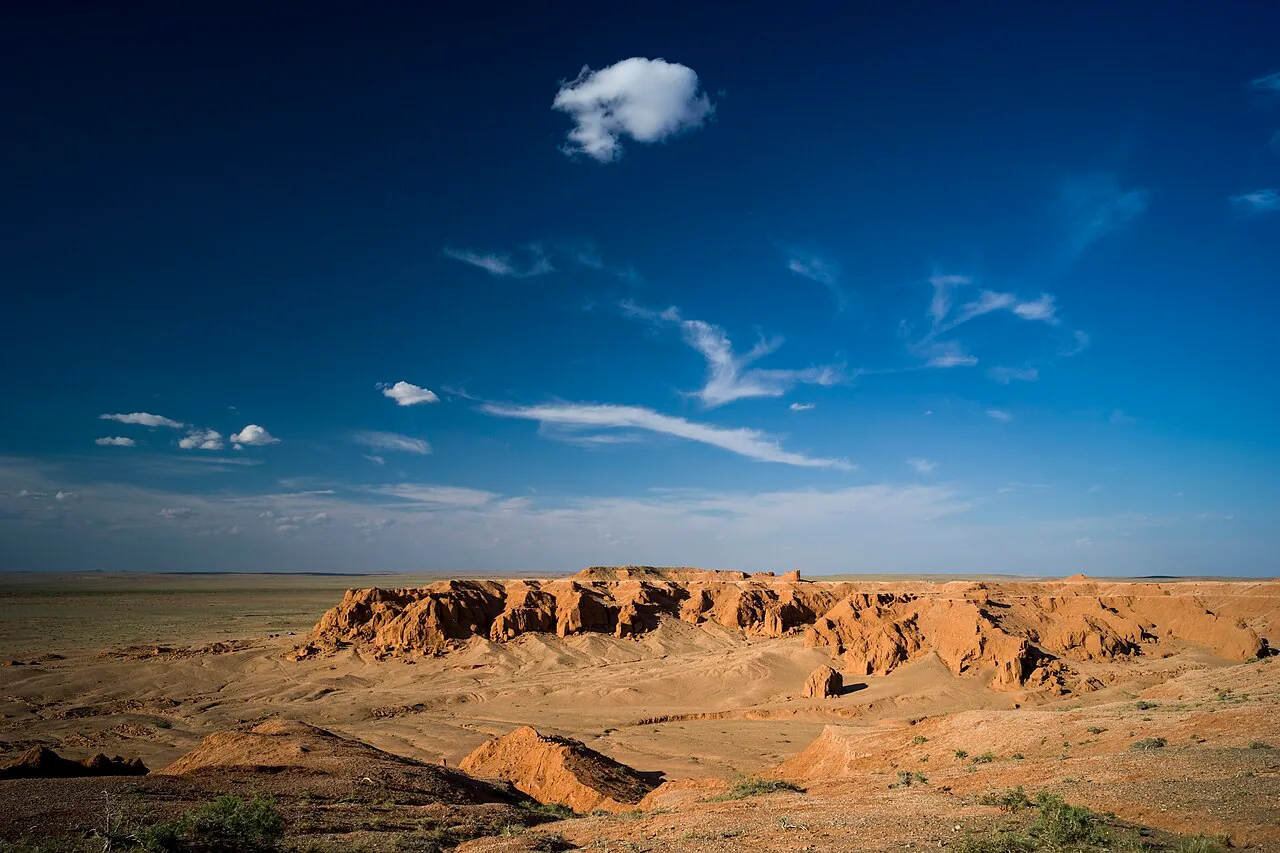
Bayanzag (Flaming Cliffs)БаянзагÖmnögoviGeological SiteRed sandstone cliffs that glow flame-red at sunset. Site of Roy Chapman Andrews' 1922 discovery of the world's first dinosaur eggs and many velociraptor fossils.
Tsagaan Suvarga (White Stupa)
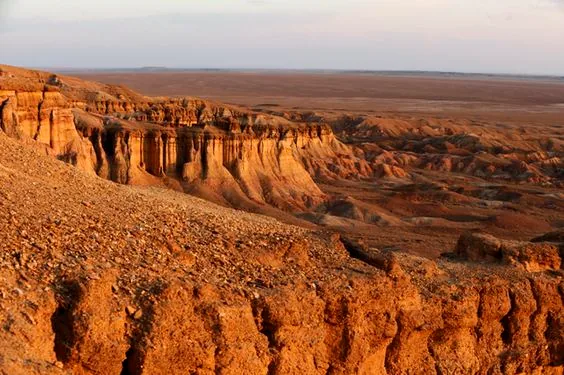
Tsagaan Suvarga (White Stupa)Цагаан суваргаDundgoviGeological SiteSpectacular 60-metre limestone cliff resembling the ruins of an ancient city. Sometimes called the 'Mongolian Grand Canyon'. Once an ancient seabed.
Ikh Gazriin Chuluu
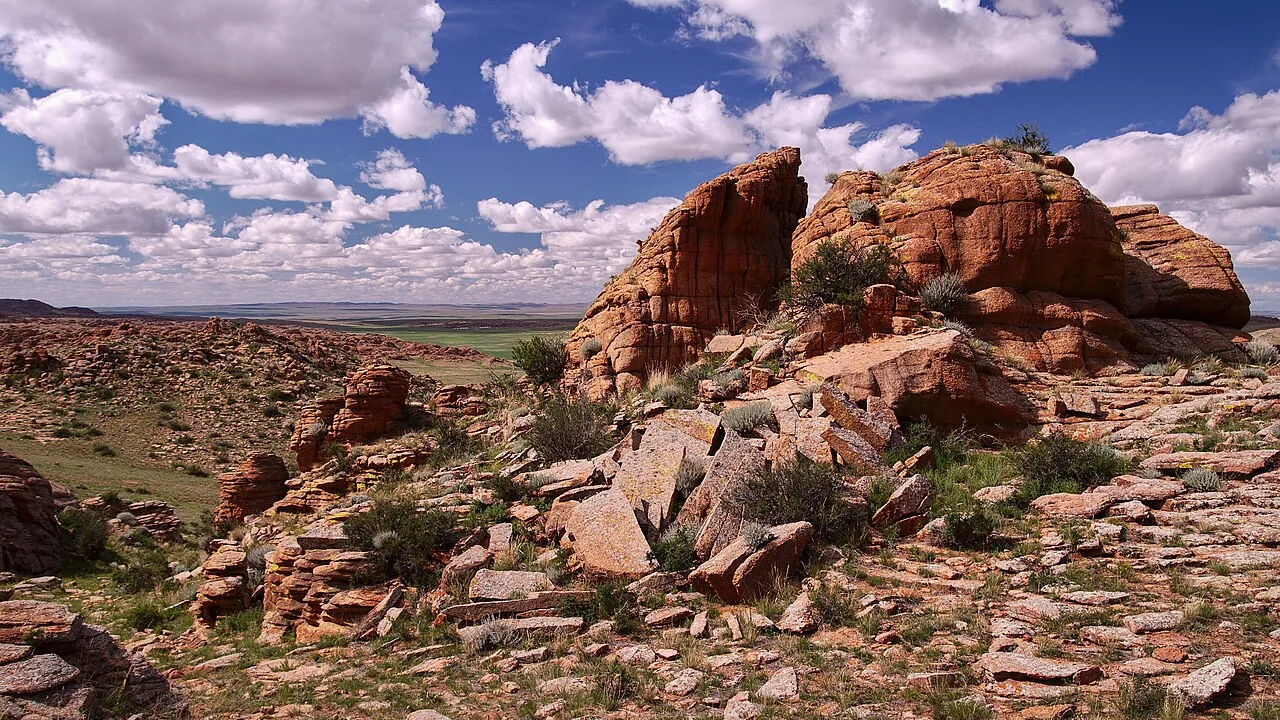
Ikh Gazriin ChuluuИх газрын чулууDundgoviGeological SiteGranite mountains rising from the steppe, full of caves, narrow gorges and rock formations. A traditional sacred site with old monastery ruins among the rocks.
Khermen Tsav
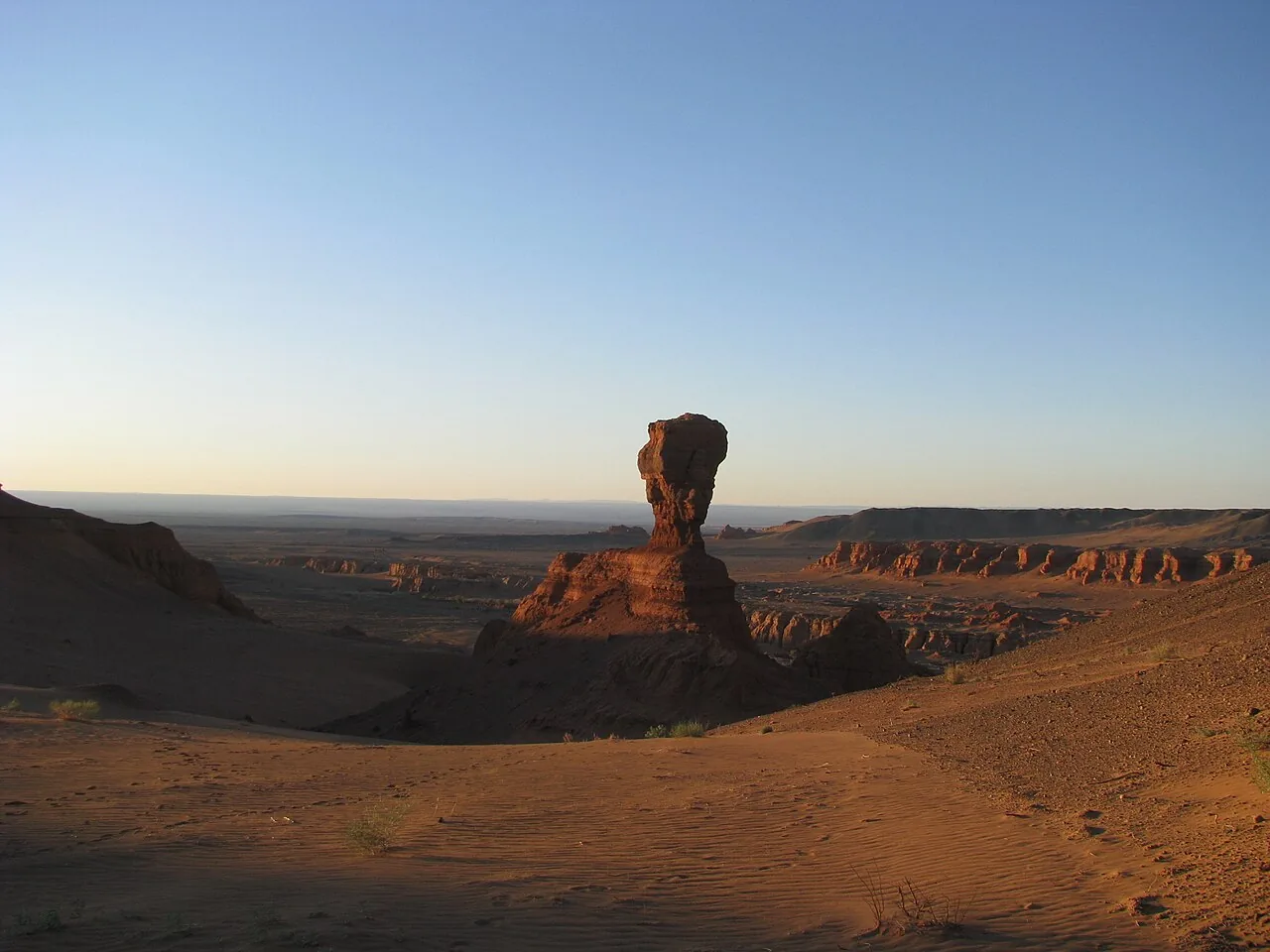
Khermen TsavХэрмэн цавÖmnögoviGeological SiteRemote and dramatic red canyon often called 'the end of the world' by Mongolians. A major paleontological site with extensive dinosaur fossil finds.
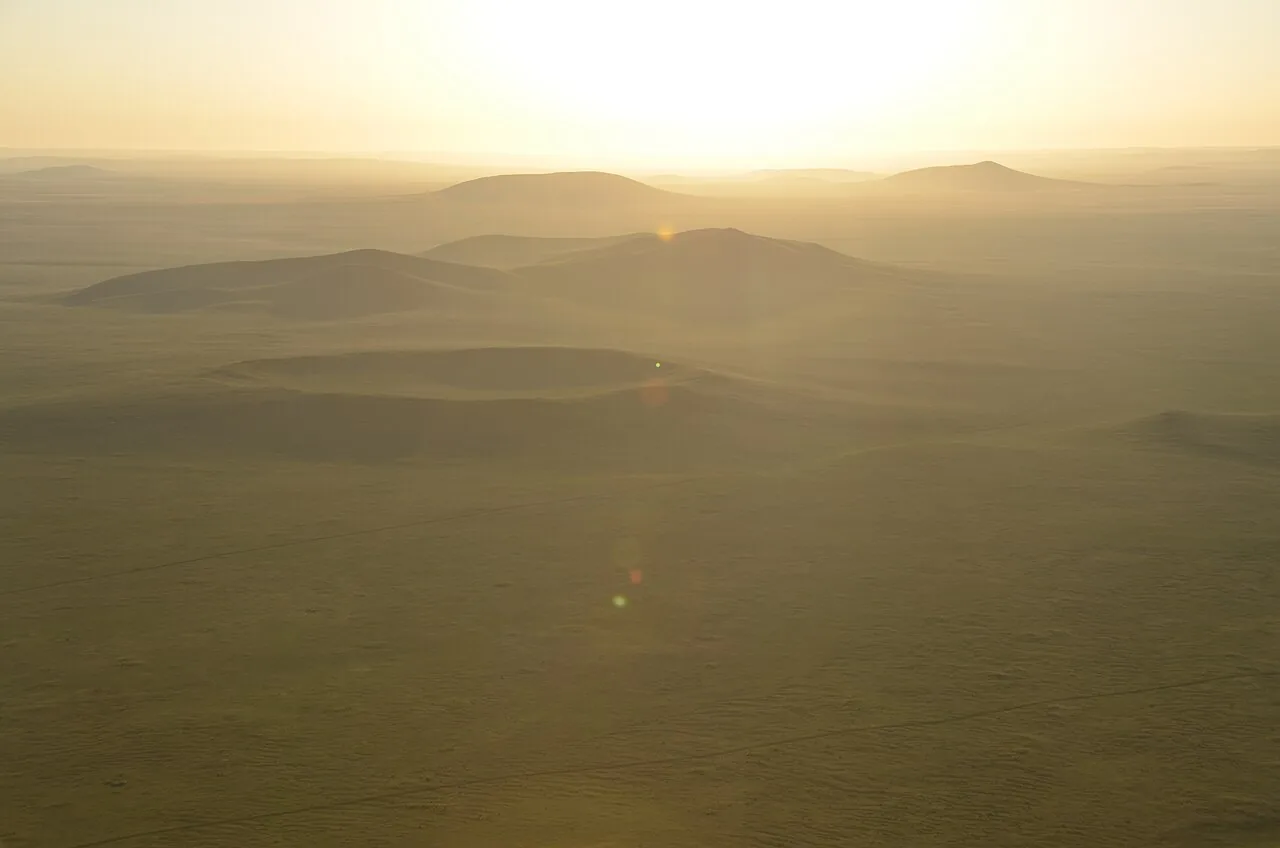
Dariiganga Volcanic AreaДаригангаSükhbaatarGeological SiteA dramatic volcanic plateau in eastern Mongolia dotted with extinct craters, lava fields, and over 200 small volcanoes. The area holds deep cultural significance for the Halh Mongols and is home to the sacred Ganga Nuur lake and ancient stone figures.
Baga Gazriin ChuluuБага Газрийн чулууDundgoviGeological SiteA maze of weathered granite boulders rising from the Gobi steppe, concealing hidden valleys, caves, and the ruins of a small 19th-century monastery. An excellent acclimatisation destination for travellers heading deeper into the Gobi.

Mountain2

Tsambagarav Mountain
Tsambagarav MountainЦамбагарав уулKhovdMountainSnow-capped sacred mountain rising to 4,193m, with permanent glaciers. A national park and important habitat for snow leopards and ibex.
Munkh Khairkhan MountainМөнх Хайрхан уулKhovdMountainThe second-highest peak in Mongolia at 4,204 metres, Munkh Khairkhan is a permanently glaciated massif in the Mongolian Altai and the centrepiece of a national park of the same name. Its name means 'Eternal Holy One' and it is revered as a sacred mountain.

Map data © OpenStreetMap contributors. Location images sourced from Wikimedia Commons under their respective Creative Commons licenses.


Download GerTrainer and explore Mongolia yourself

By using GerTrainer you agree to our Terms of Use